Stanley Hicks 4-String Appalachian Dulcimer, c. 1970s

LOADING IMAGES

Just Arrived!
$700.00 + shipping
Item # 13490
Prices subject to change without notice.
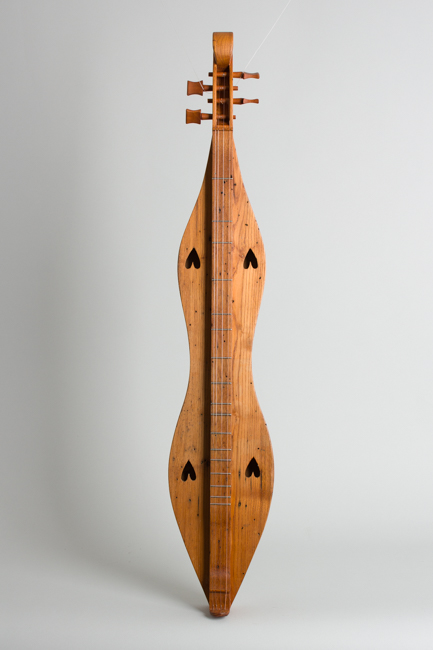
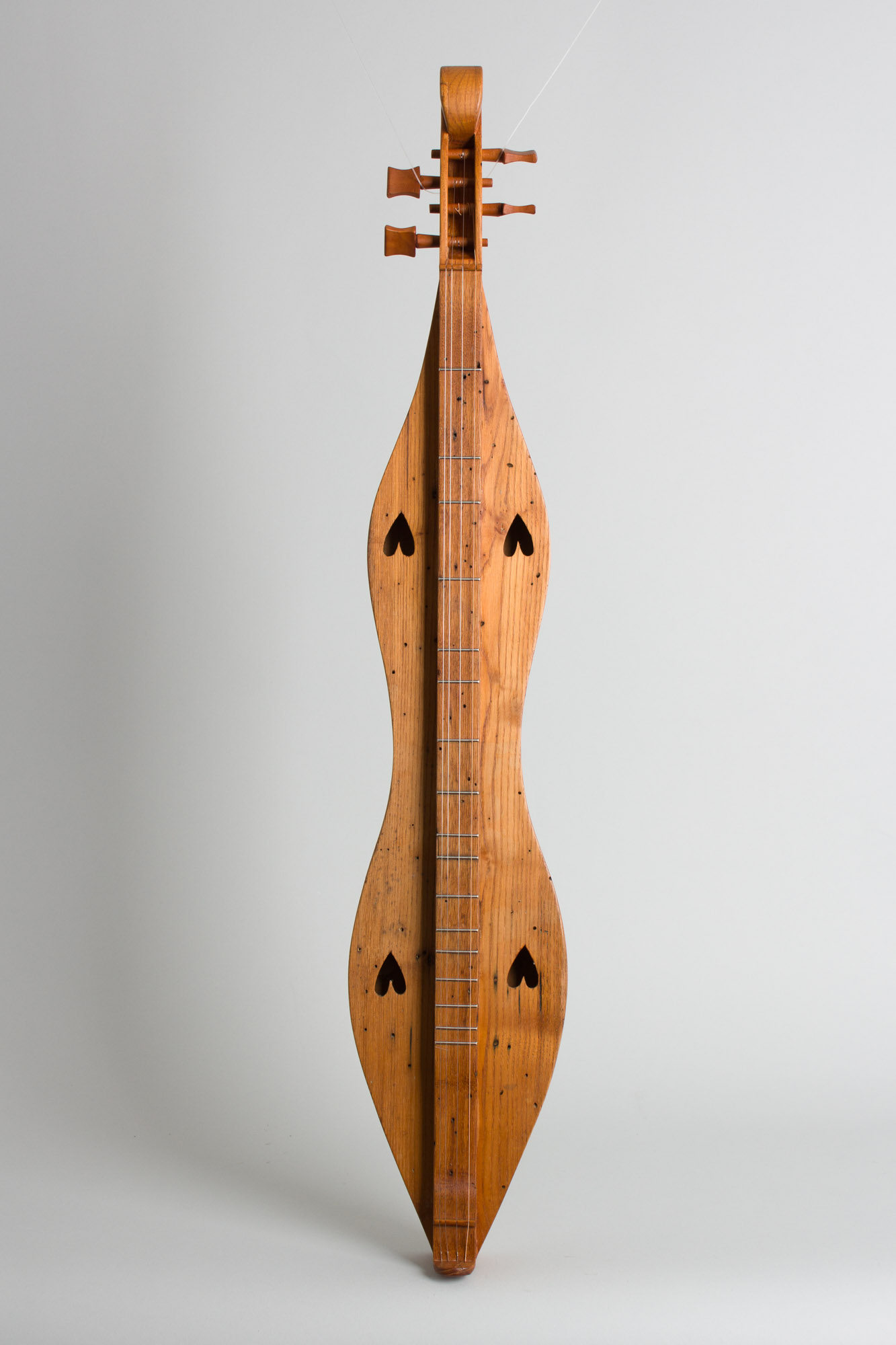
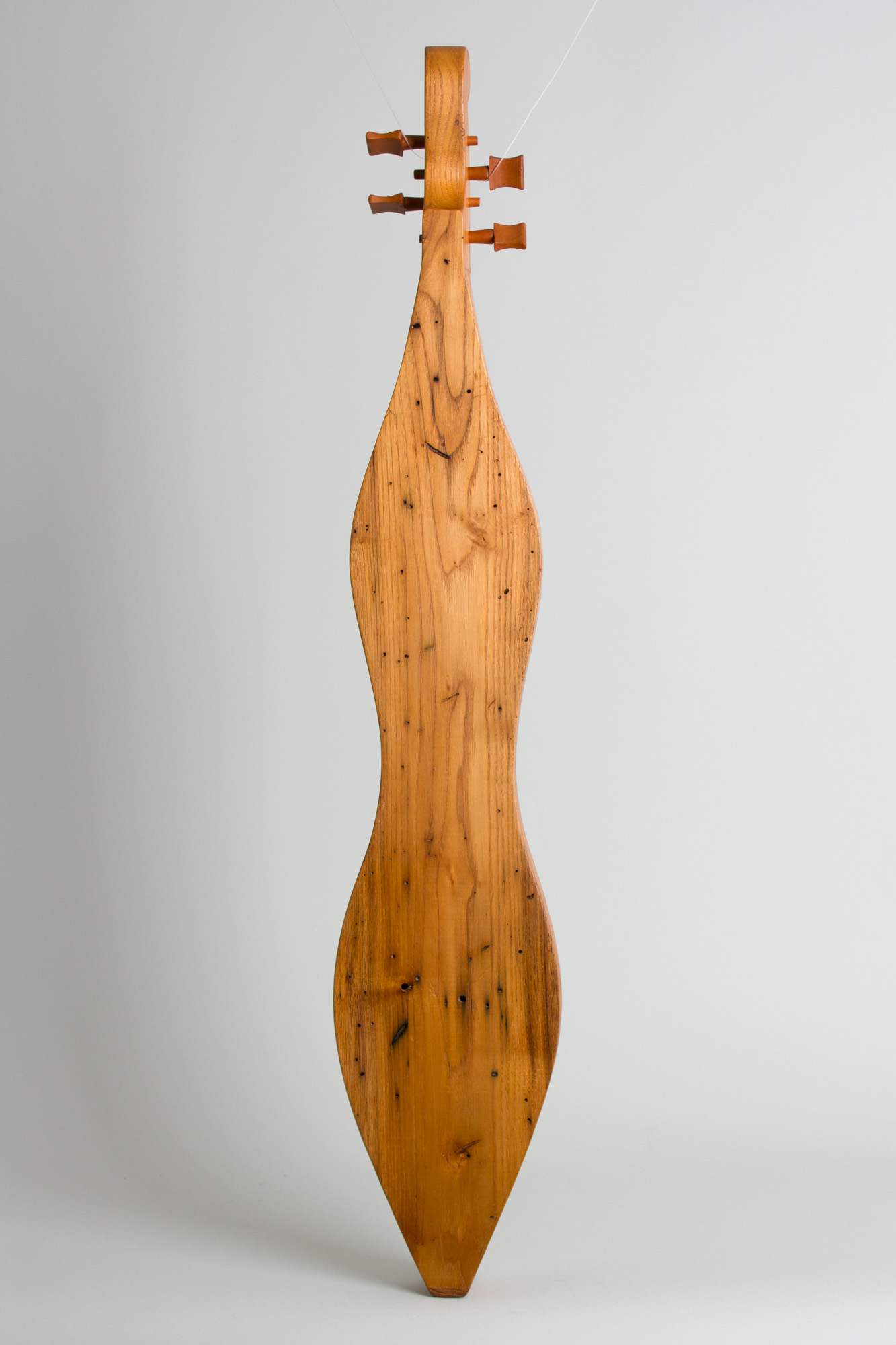
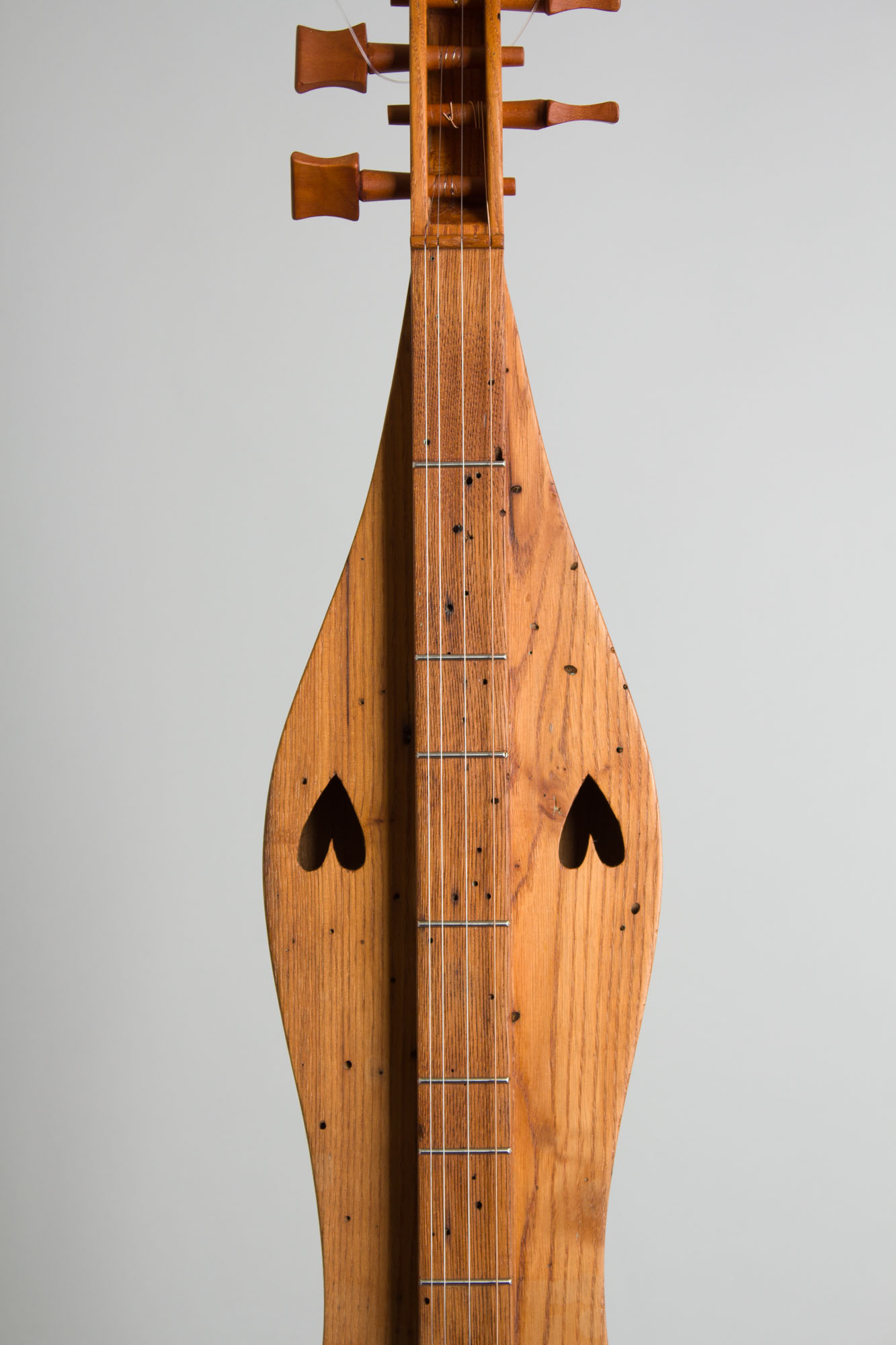
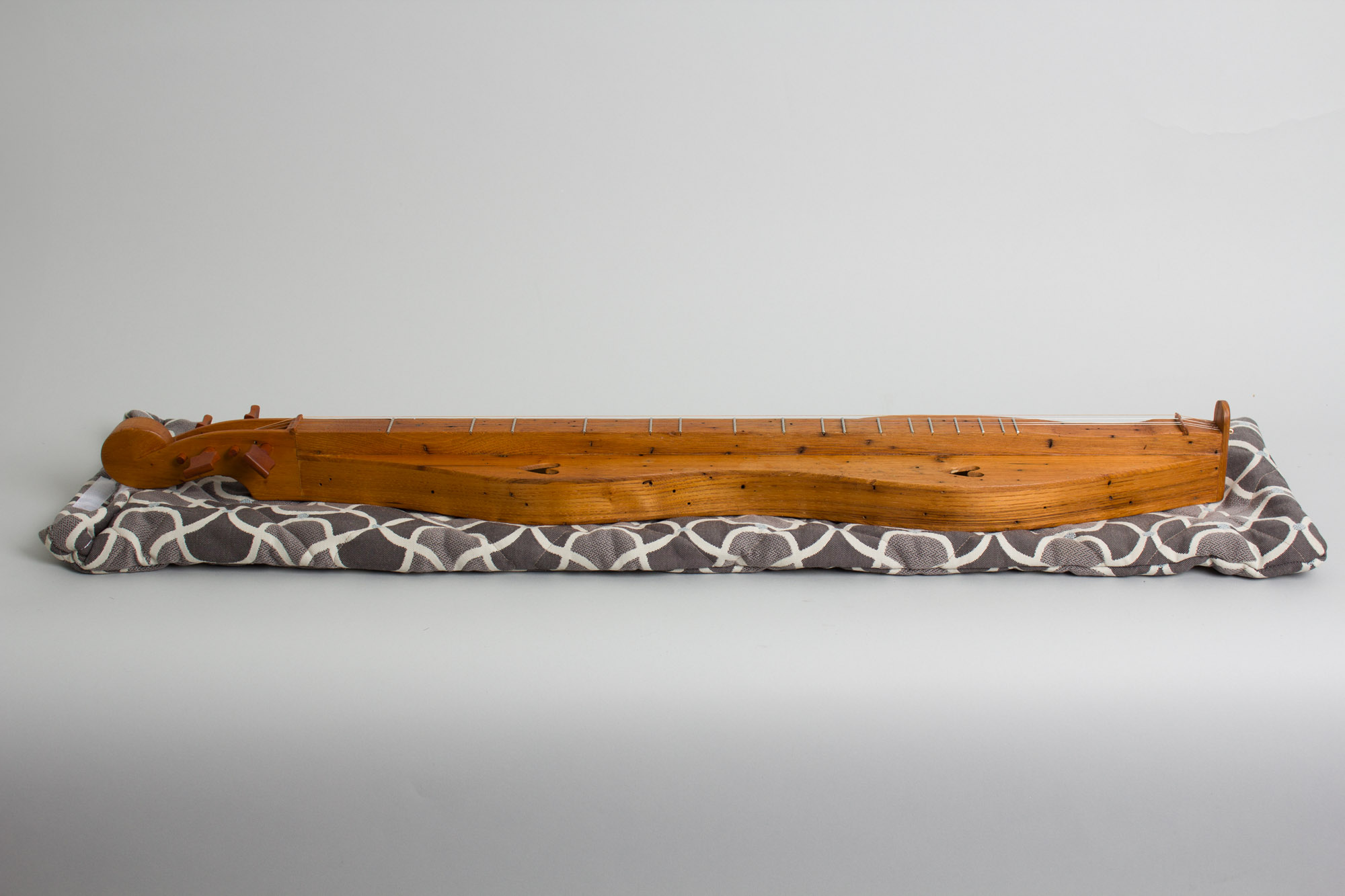
Stanley Hicks 4-String Model Appalachian Dulcimer, c. 1970s, made in Vilas, North Carolina, natural finish, Wormy Chestnut top, back, and sides, handmade gig bag case.
Watauga County, North Carolina was home to many of the torchbearers of American traditional music and Appalachian storytelling, but Stanley Hicks in particular was a master of his many crafts including storytelling, flatfooting, and of course instrument making. From humble beginnings as the child of English immigrants, Hicks taught himself how to build banjos and dulcimers like his father and grandfather before him. Like other resourceful mountain instrument builders, Hicks made use of the easily attainable tone woods on his property and likely used the skins of whatever critter was available that week.
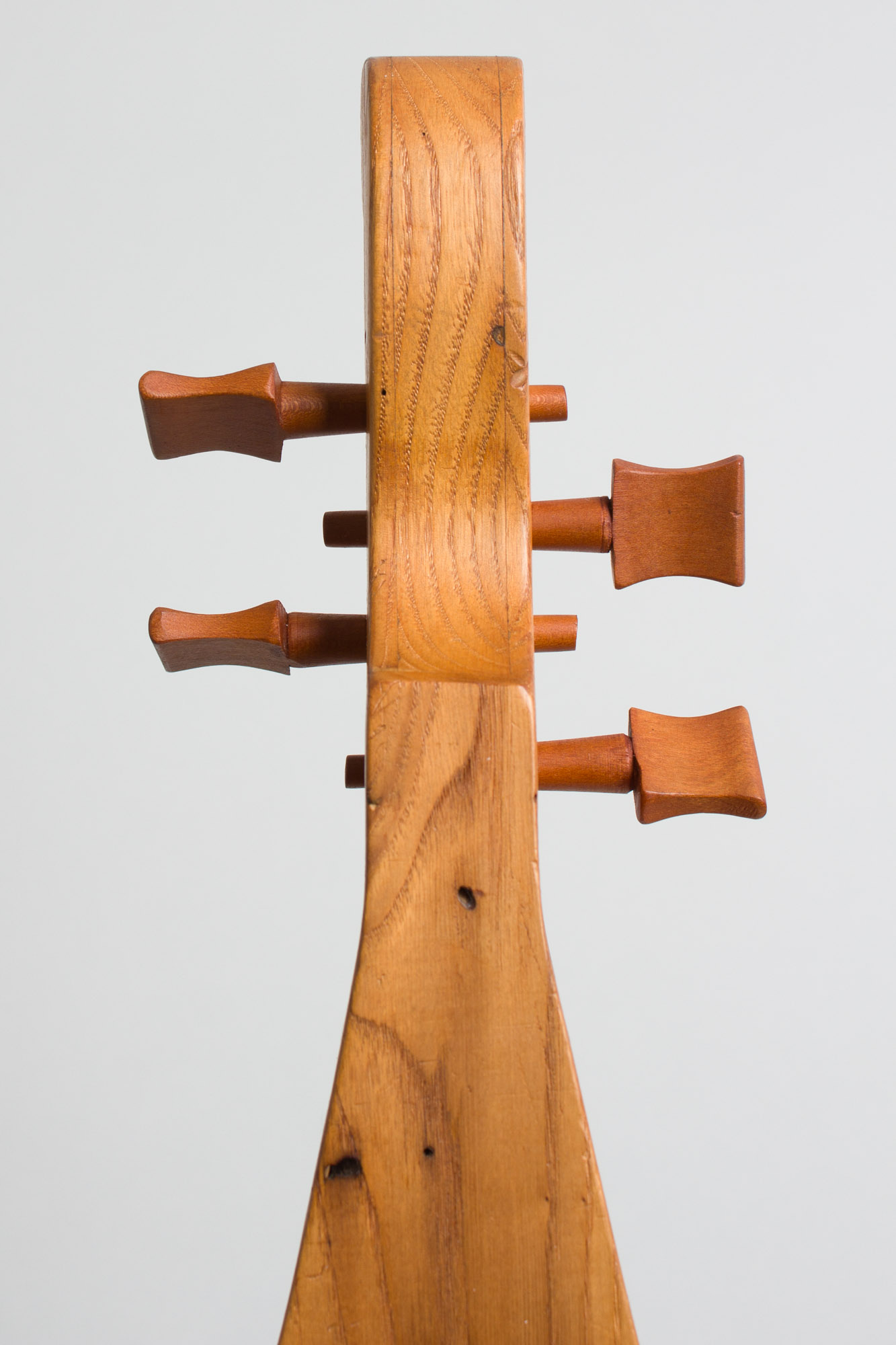
This is a nicely constructed example of a classic 4-string Appalachian dulcimer made with a particularly "figured" wormy chestnut top, back, and side; the whole of the dulcimer seems to be build of the same wormy chestnut save what appear to be cherry hand-carved friction tuners. Wormy chestnut is a bright and beautiful tonewood with a macabre story straight out of a Flannery O'Connor southern gothic: in the early 1900's, a blight struck the American chestnut and led to a near complete wiping out of the species save a handful of living (but infertile) remaining trees. Citizens were encouraged to use the wood of dead or felled chestnut trees, though often the wood sat dormant long enough to become host to the worms that characterize this still sturdy choice tonewood.
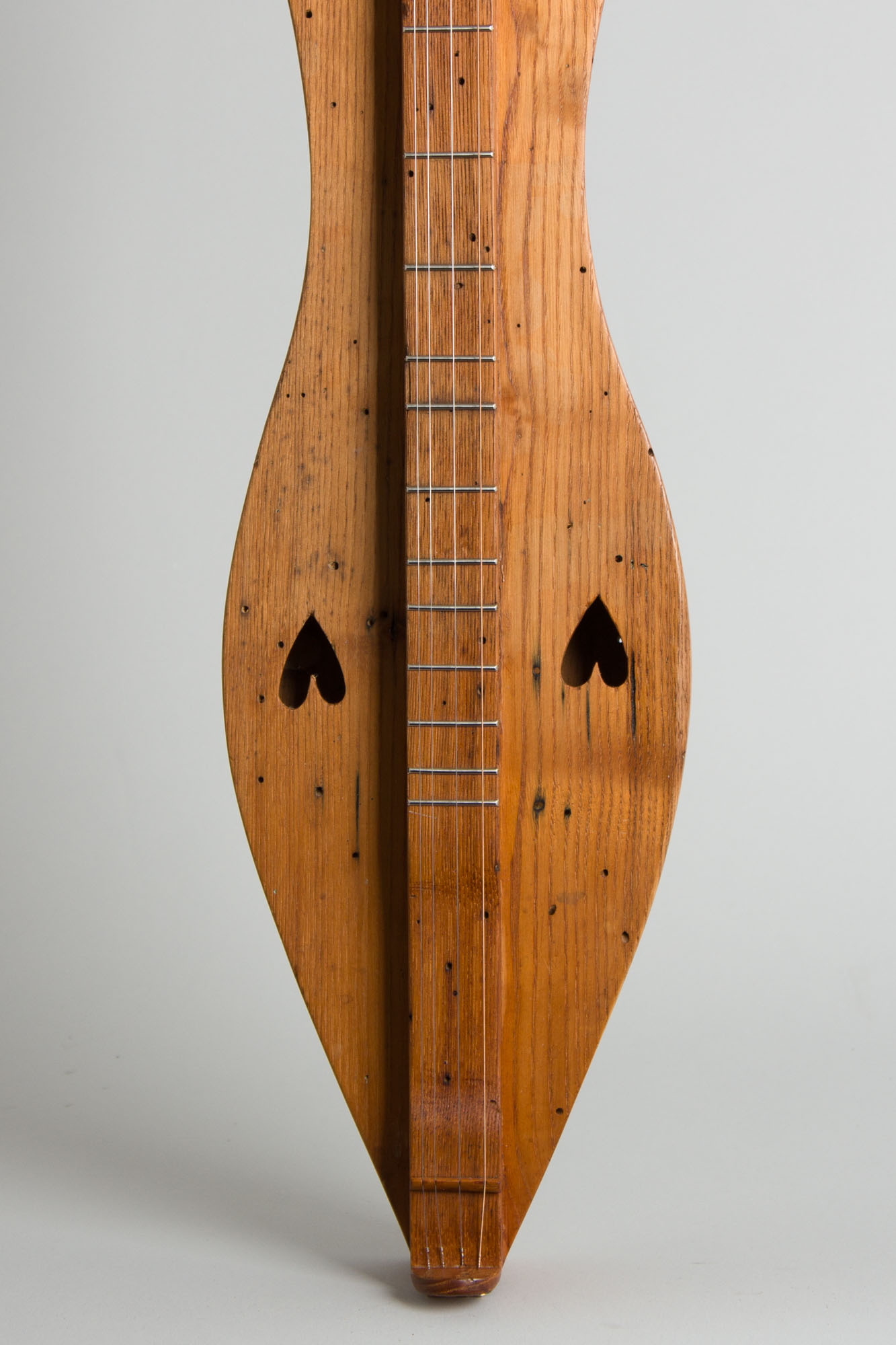
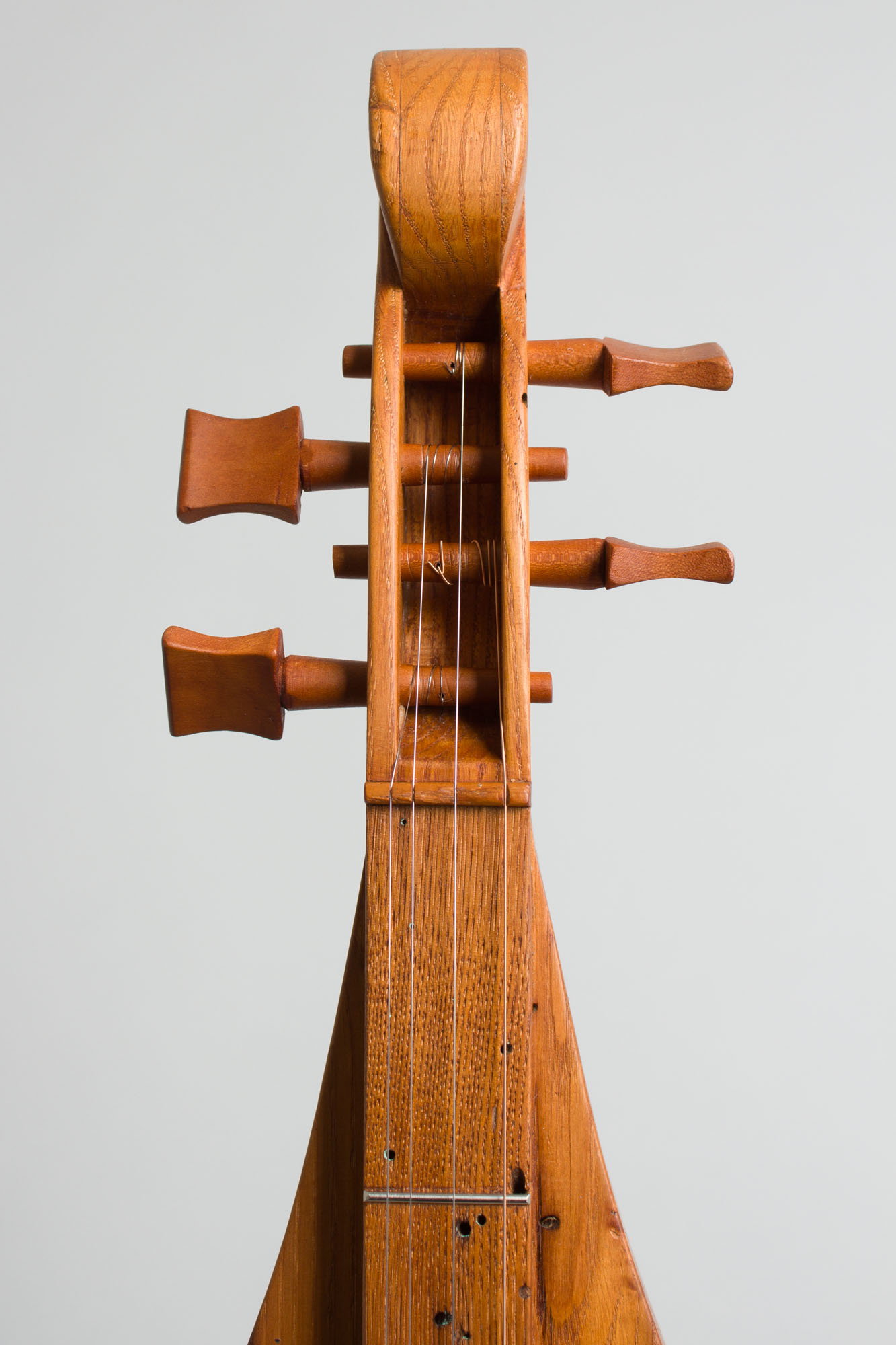
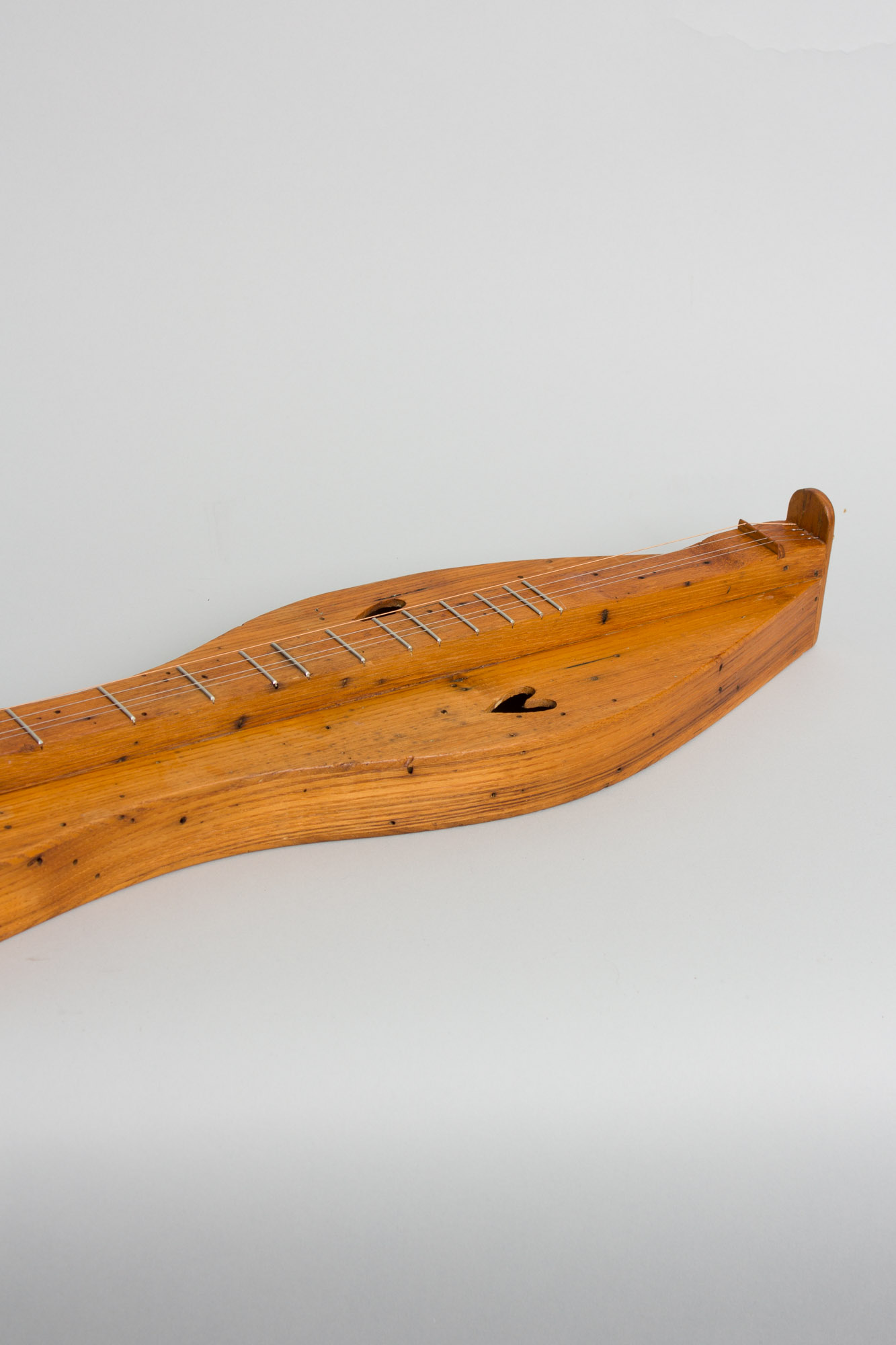
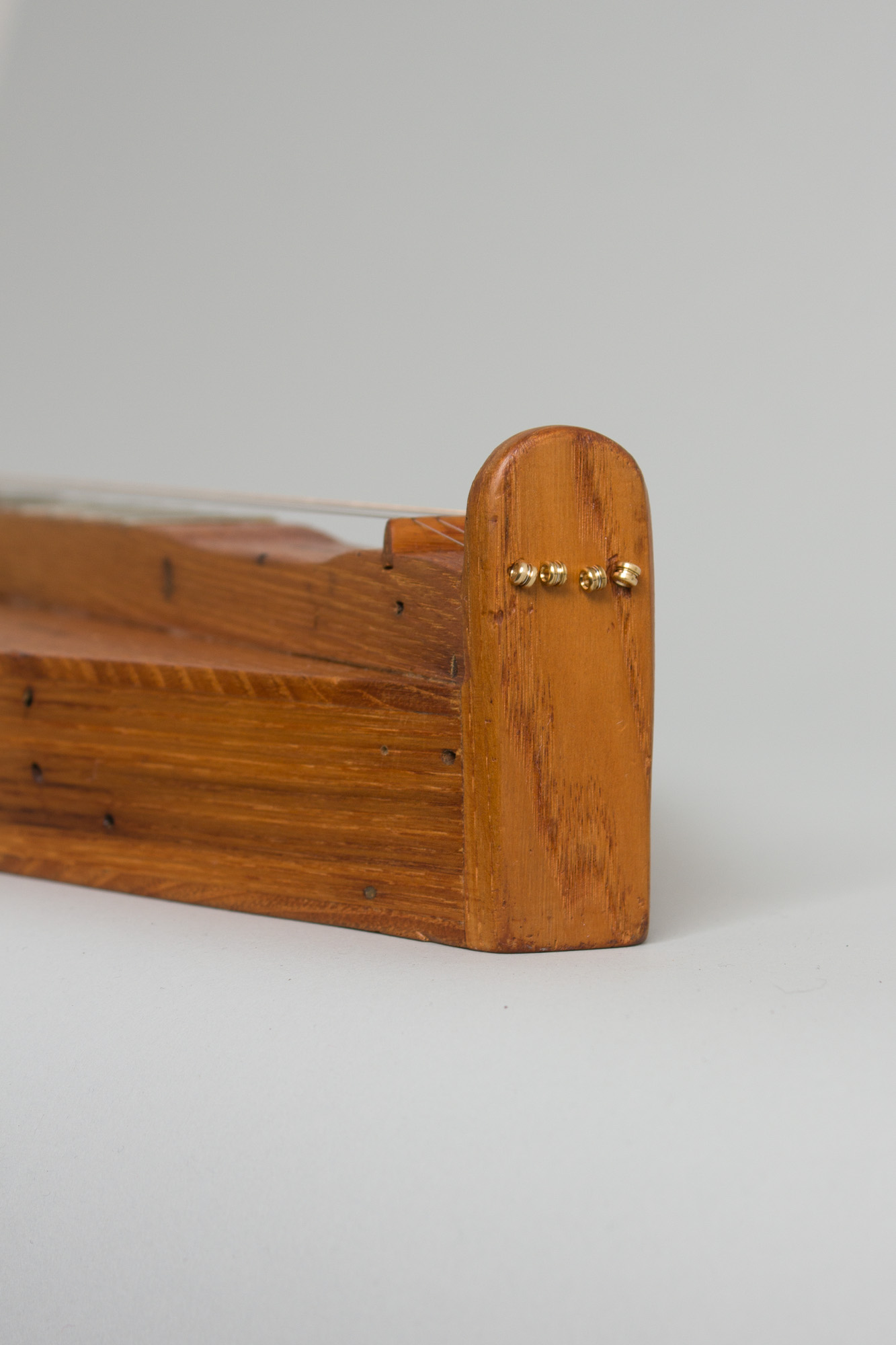
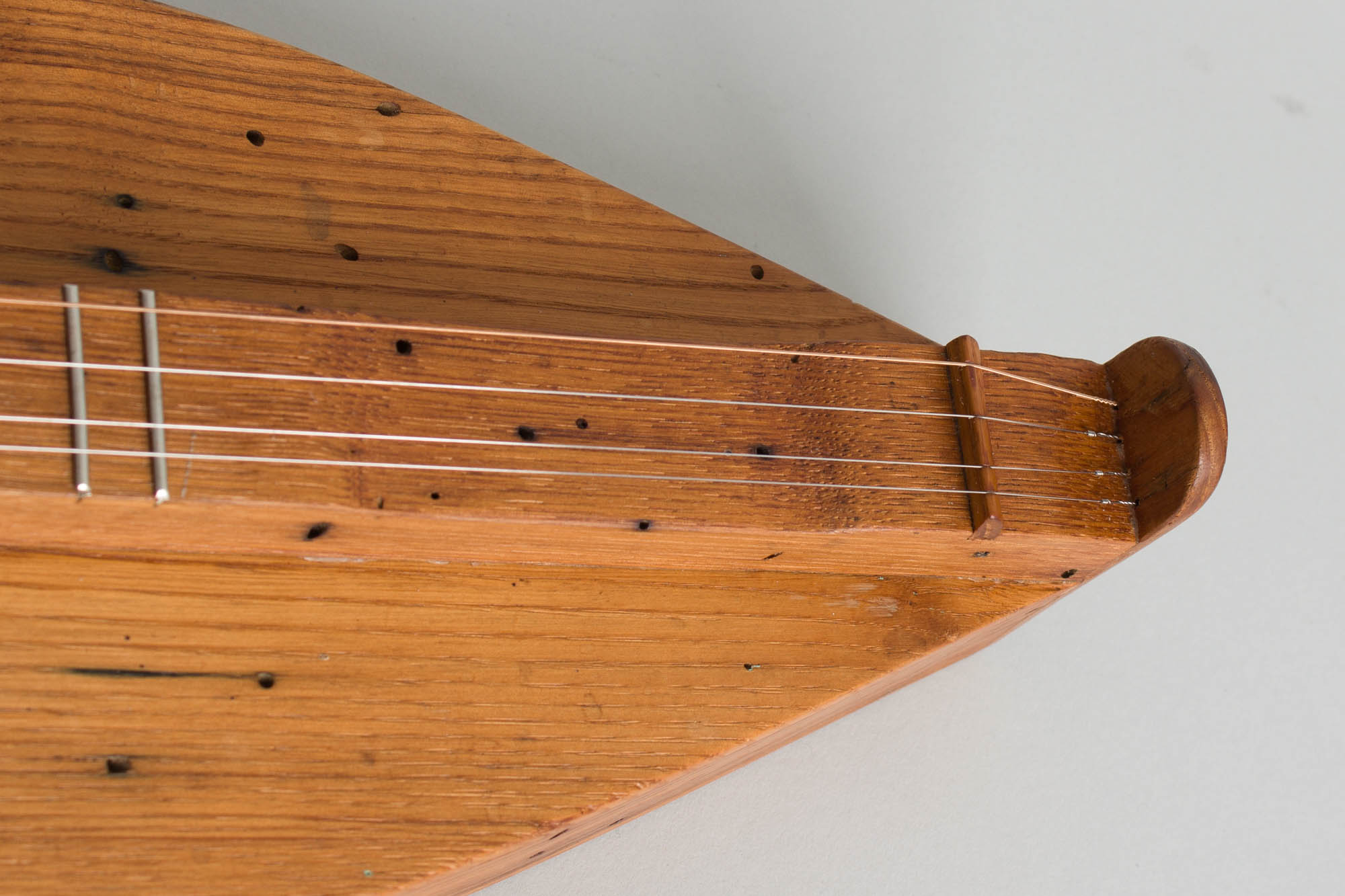
This is a four-stringed dulcimer, with the highest melody string doubled for an even chimier sound. The strings pass over original, minimally worn frets over the bridge and through a thick chestnut tailpiece with four holes. It has a traditional hourglass shaped body and some particularly folkloric and charming heart shaped soundholes.
Hicks was a vital part of the region's folk music community writ large and an avid storyteller, a tradition that holds a lot of weight in Appalachia and earned him several regional and national accolades. He went on to be recorded by the likes of Alan Lomax and was awarded the National Endowment for the Arts National Heritage Fellow in 1983, the highest national honor for folk art. He passed away in 1989 only a few years after the construction of this banjo, building instruments and making music until the end of his life. Today his instruments are considered among the higher quality examples of the mountain banjo and Dulcimer tradition, and among the more sought after of this style of instrument. This one is particularly light and resonant; perhaps the many picturesque tiny extra holes in the wood contribute to that!
Length is 34 1/2 in. (87.6 cm.), 6 3/8 in. (16.2 cm.) wide at lower bout, and 3 in. (7.6 cm.) in depth at deepest point. Scale length is 27 in. (686 mm.). Width of nut is 1 1/4 in. (32 mm.).
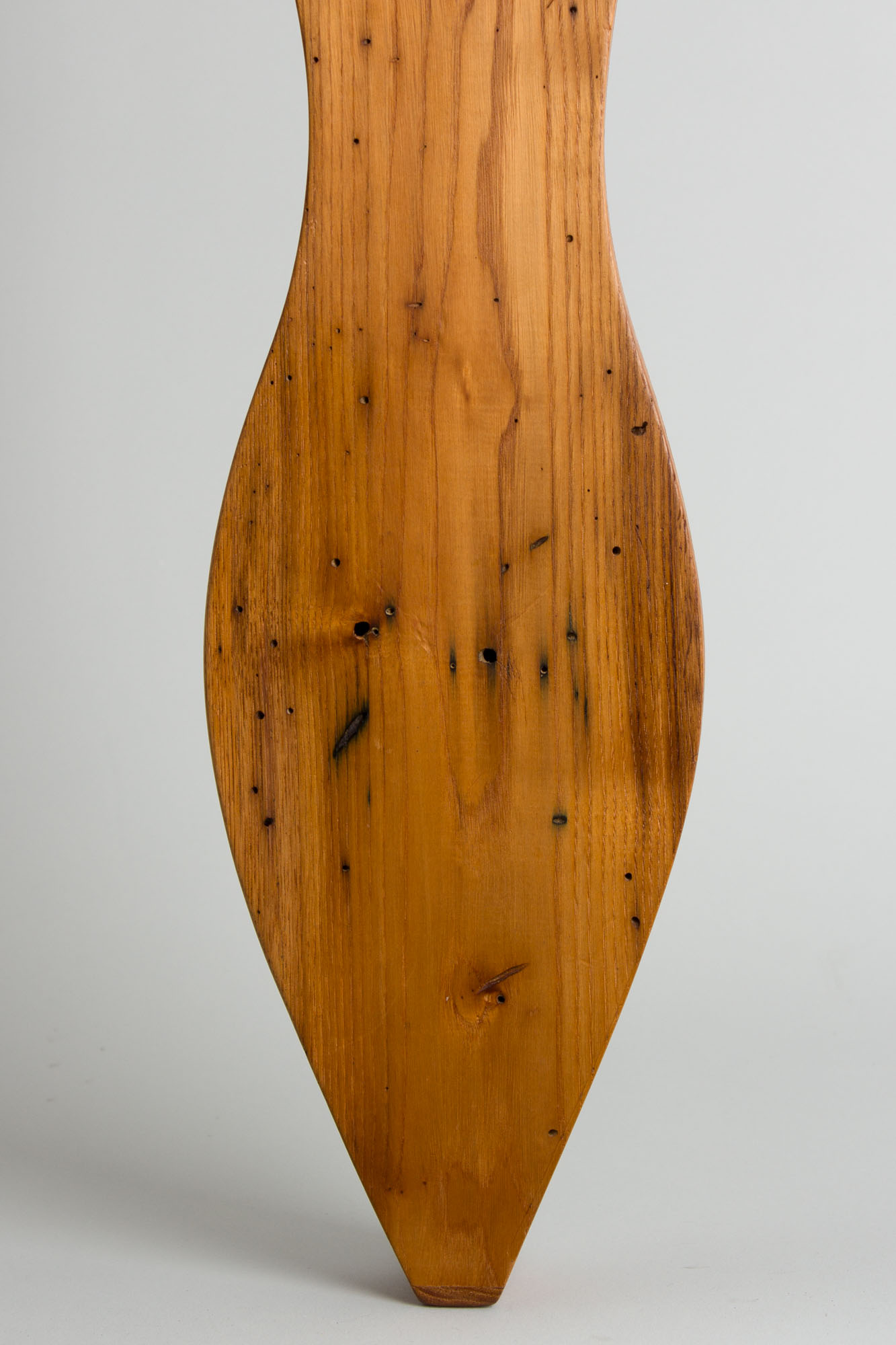
This is an excellently preserved example of a higher quality genuine handmade Appalachian dulcimer. The wormy chestnut has a particularly large smattering of worm holes all over but very little by way of cosmetic wear; there is a well-sealed and basically invisible crack on the lower righthand side. Hicks offered superior buildmanship and a tone that is much more robust and pleasant than many of the common kit-made dulcimers at the time, though there remains a charming "folksiness" to the work after decades of autodidactic lutherie.
There are a couple scuffs and dings on the back from where it has rested in laps and on tables over the years; the cherry tuning pegs and thin scroll headstock are well-maintained and the frets show only small traces of wear with plenty of life left in them. There is in fact no label or etching on this instrument as it may have been a special order for a friend or family member; Hick's workmanship is apparent in other measures such as the faint ornate etching on the outer borders on the scroll that is a common aesthetic mark of his other dulcimers or banjos. It would almost certainly have not left the shop in an original bag or case, but it now cozily resides in an specially ordered Amish-made dulcimer bag. Overall Very Good + Condition.
Watauga County, North Carolina was home to many of the torchbearers of American traditional music and Appalachian storytelling, but Stanley Hicks in particular was a master of his many crafts including storytelling, flatfooting, and of course instrument making. From humble beginnings as the child of English immigrants, Hicks taught himself how to build banjos and dulcimers like his father and grandfather before him. Like other resourceful mountain instrument builders, Hicks made use of the easily attainable tone woods on his property and likely used the skins of whatever critter was available that week.
This is a nicely constructed example of a classic 4-string Appalachian dulcimer made with a particularly "figured" wormy chestnut top, back, and side; the whole of the dulcimer seems to be build of the same wormy chestnut save what appear to be cherry hand-carved friction tuners. Wormy chestnut is a bright and beautiful tonewood with a macabre story straight out of a Flannery O'Connor southern gothic: in the early 1900's, a blight struck the American chestnut and led to a near complete wiping out of the species save a handful of living (but infertile) remaining trees. Citizens were encouraged to use the wood of dead or felled chestnut trees, though often the wood sat dormant long enough to become host to the worms that characterize this still sturdy choice tonewood.
This is a four-stringed dulcimer, with the highest melody string doubled for an even chimier sound. The strings pass over original, minimally worn frets over the bridge and through a thick chestnut tailpiece with four holes. It has a traditional hourglass shaped body and some particularly folkloric and charming heart shaped soundholes.
Hicks was a vital part of the region's folk music community writ large and an avid storyteller, a tradition that holds a lot of weight in Appalachia and earned him several regional and national accolades. He went on to be recorded by the likes of Alan Lomax and was awarded the National Endowment for the Arts National Heritage Fellow in 1983, the highest national honor for folk art. He passed away in 1989 only a few years after the construction of this banjo, building instruments and making music until the end of his life. Today his instruments are considered among the higher quality examples of the mountain banjo and Dulcimer tradition, and among the more sought after of this style of instrument. This one is particularly light and resonant; perhaps the many picturesque tiny extra holes in the wood contribute to that!
Length is 34 1/2 in. (87.6 cm.), 6 3/8 in. (16.2 cm.) wide at lower bout, and 3 in. (7.6 cm.) in depth at deepest point. Scale length is 27 in. (686 mm.). Width of nut is 1 1/4 in. (32 mm.).
This is an excellently preserved example of a higher quality genuine handmade Appalachian dulcimer. The wormy chestnut has a particularly large smattering of worm holes all over but very little by way of cosmetic wear; there is a well-sealed and basically invisible crack on the lower righthand side. Hicks offered superior buildmanship and a tone that is much more robust and pleasant than many of the common kit-made dulcimers at the time, though there remains a charming "folksiness" to the work after decades of autodidactic lutherie.
There are a couple scuffs and dings on the back from where it has rested in laps and on tables over the years; the cherry tuning pegs and thin scroll headstock are well-maintained and the frets show only small traces of wear with plenty of life left in them. There is in fact no label or etching on this instrument as it may have been a special order for a friend or family member; Hick's workmanship is apparent in other measures such as the faint ornate etching on the outer borders on the scroll that is a common aesthetic mark of his other dulcimers or banjos. It would almost certainly have not left the shop in an original bag or case, but it now cozily resides in an specially ordered Amish-made dulcimer bag. Overall Very Good + Condition.