Gibson Style A Snakehead Carved Top Mandolin (1925)

LOADING IMAGES
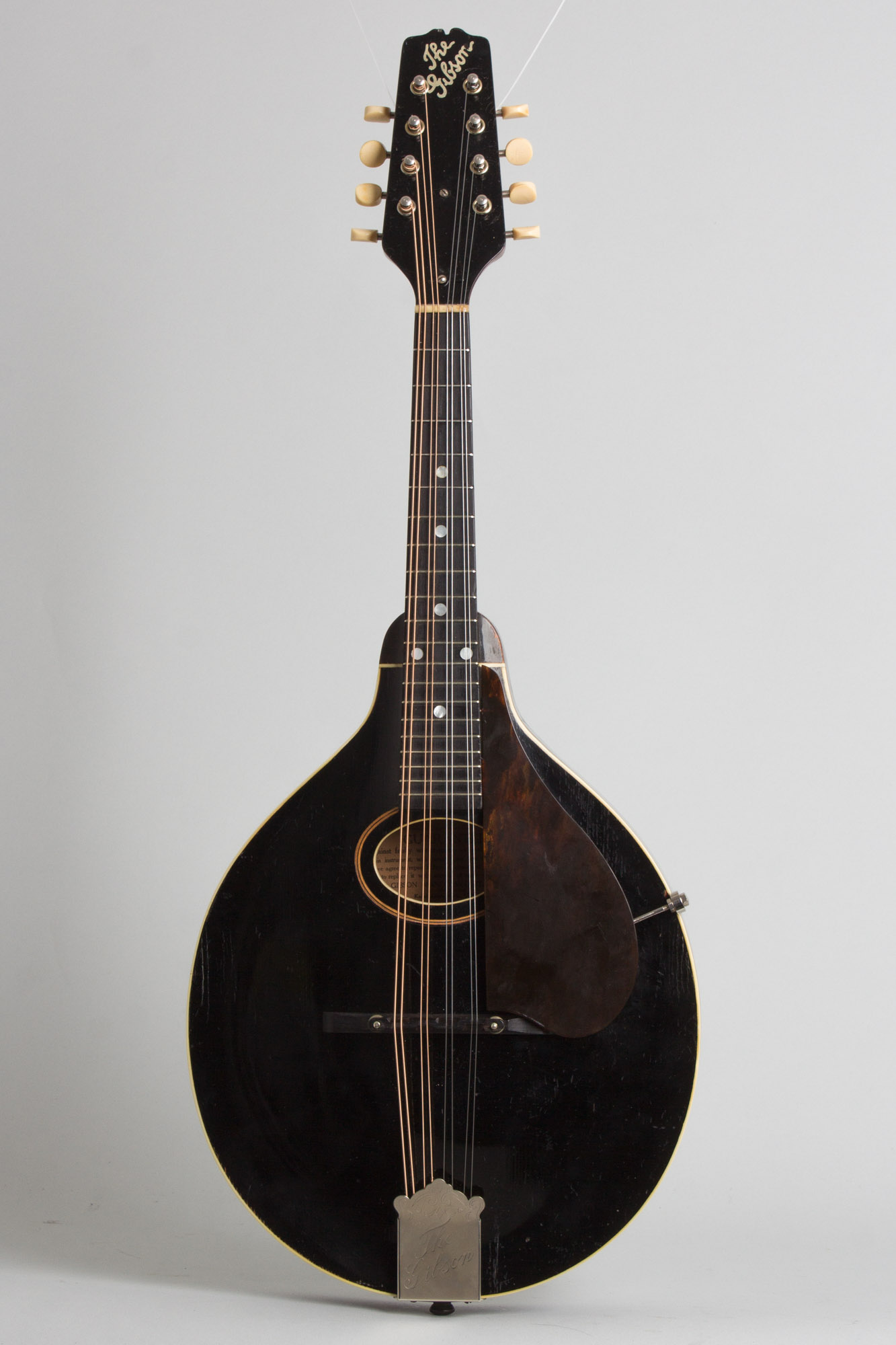
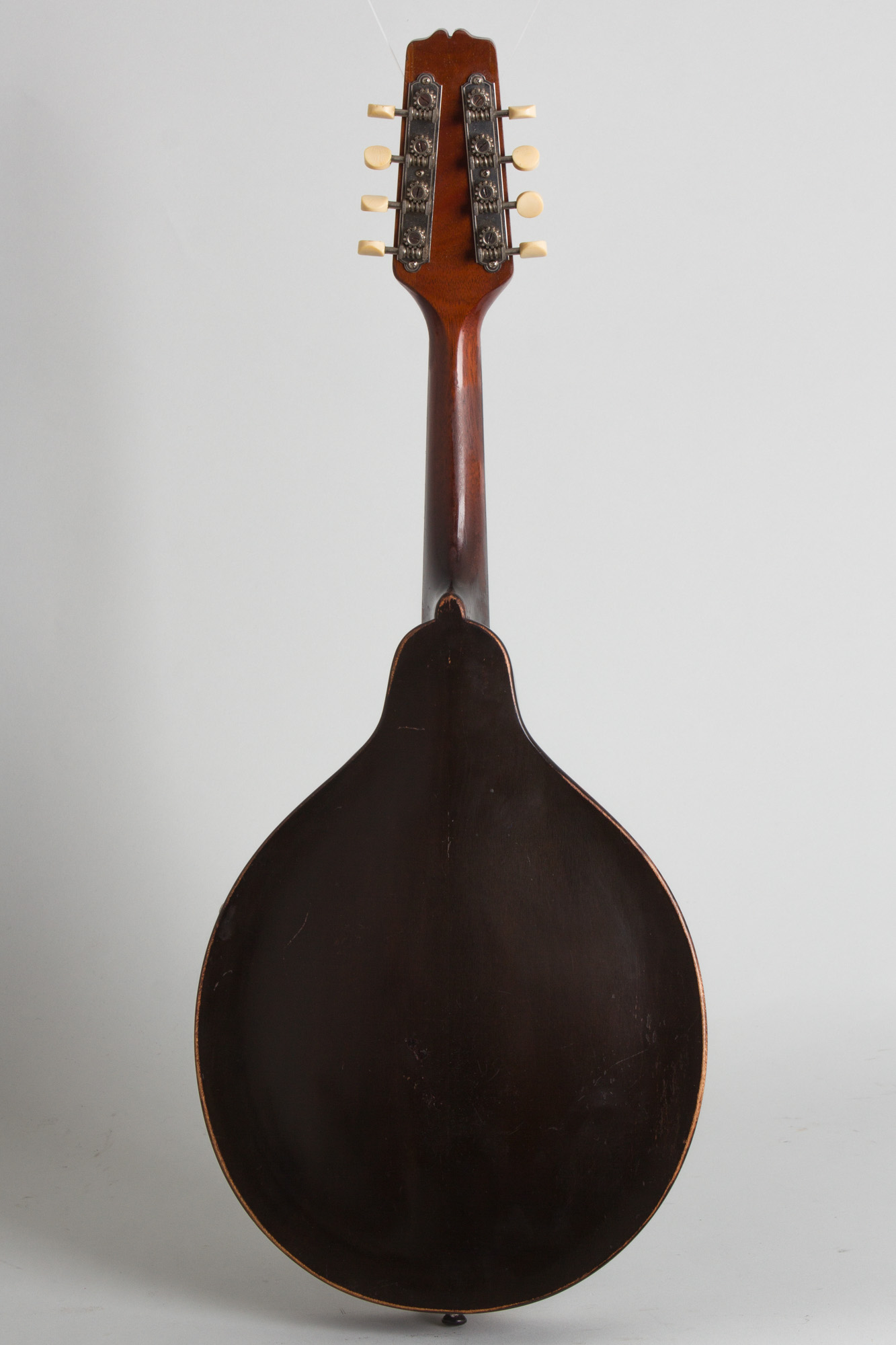
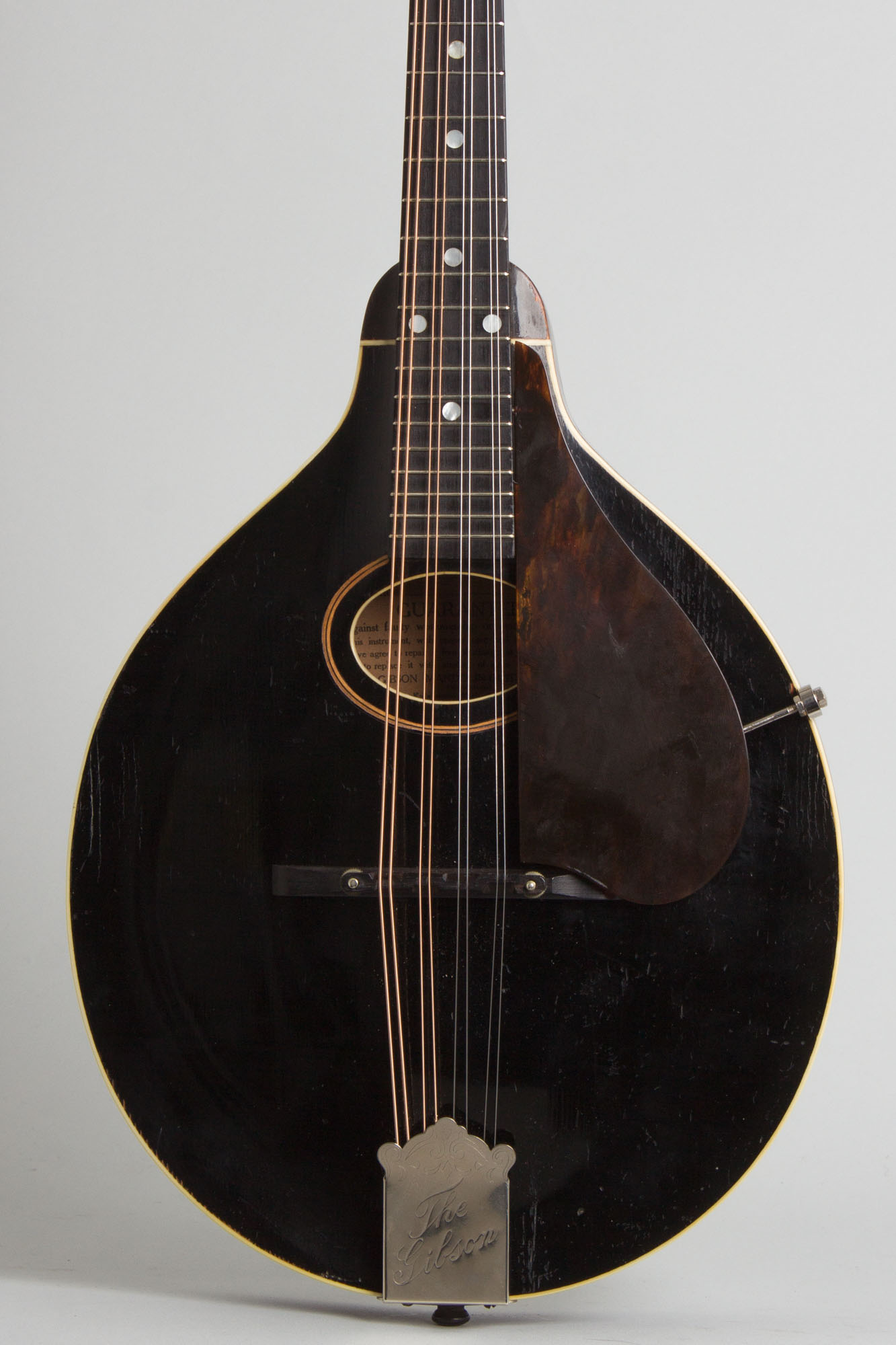
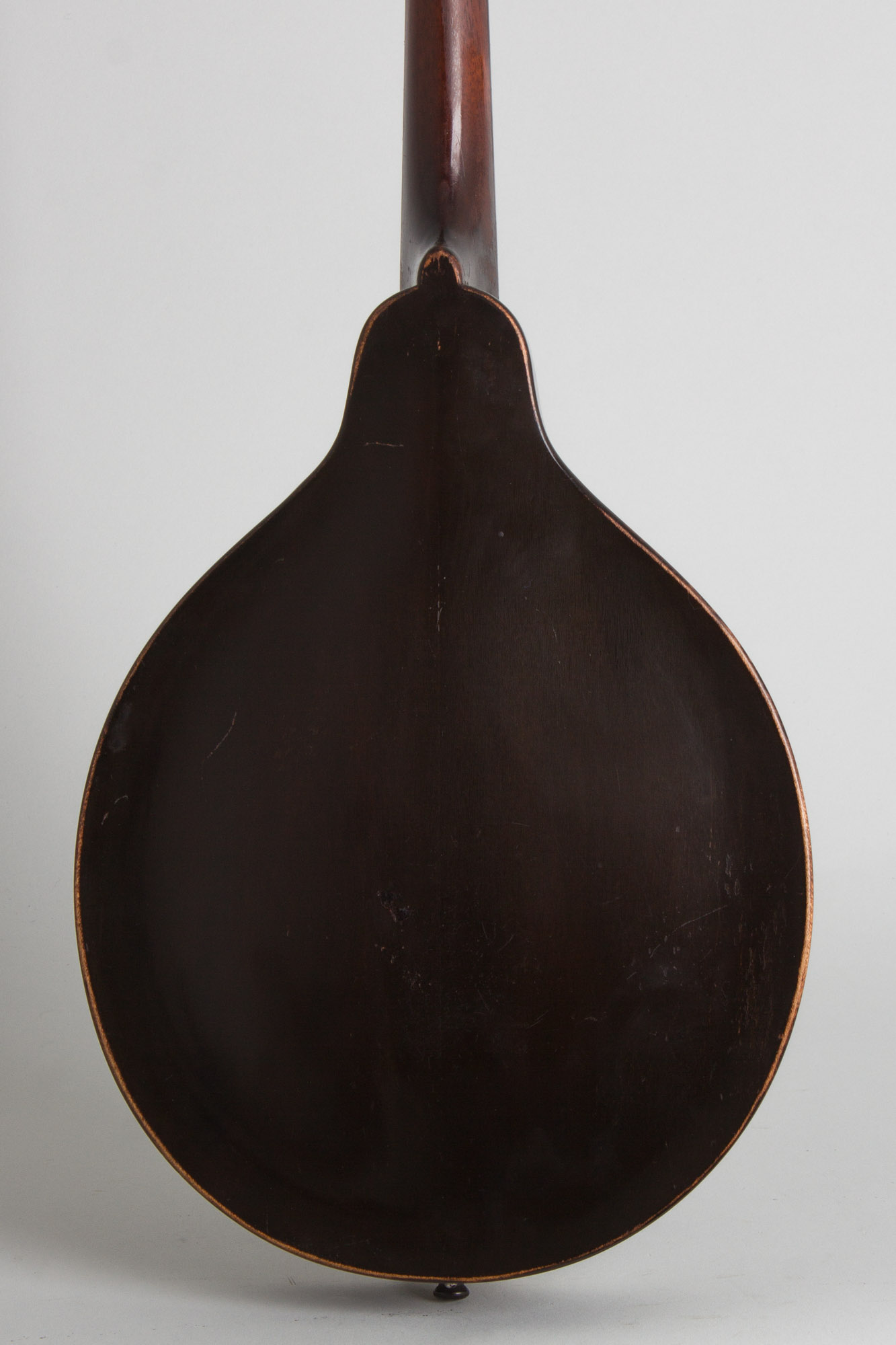
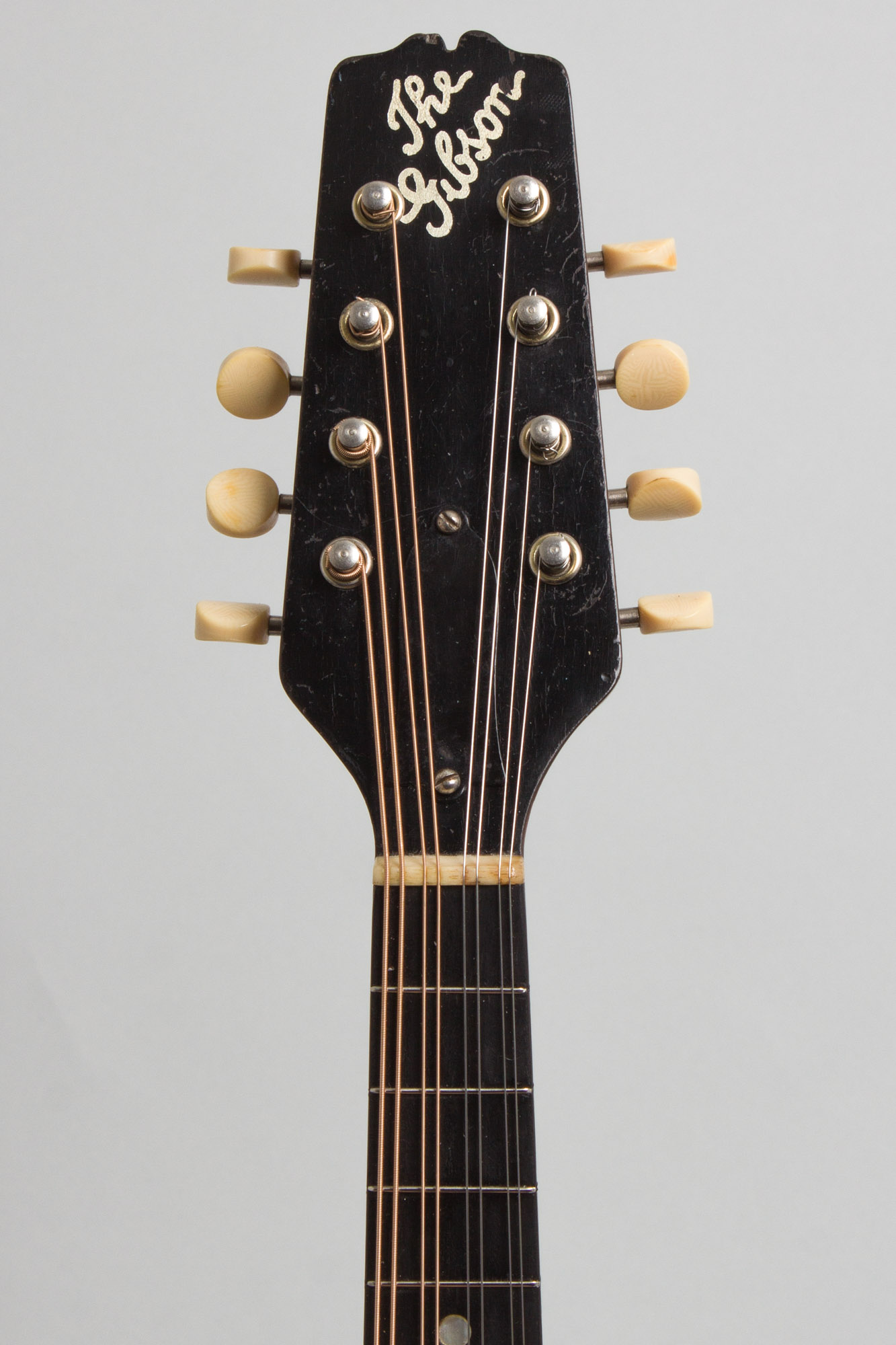
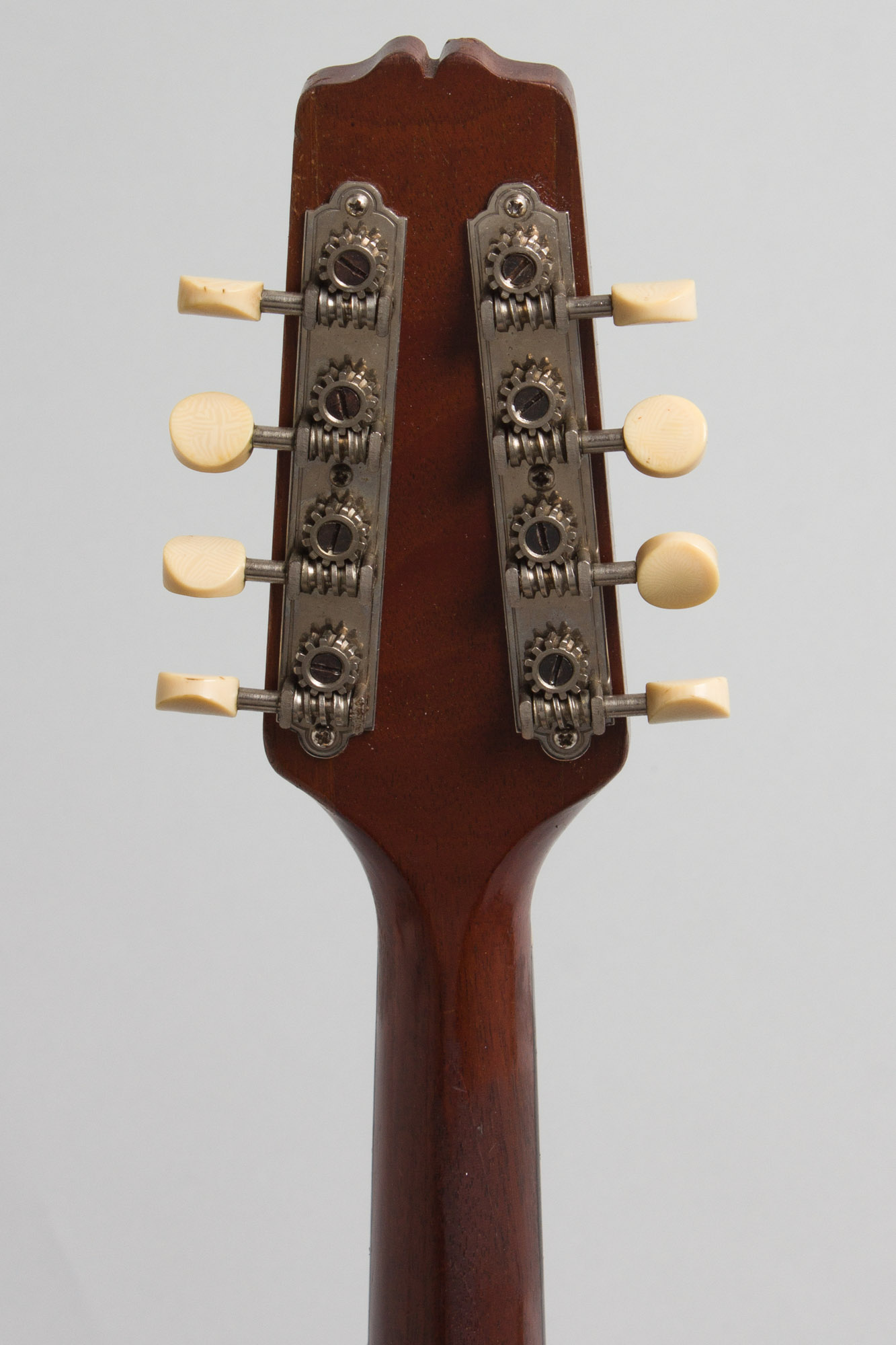
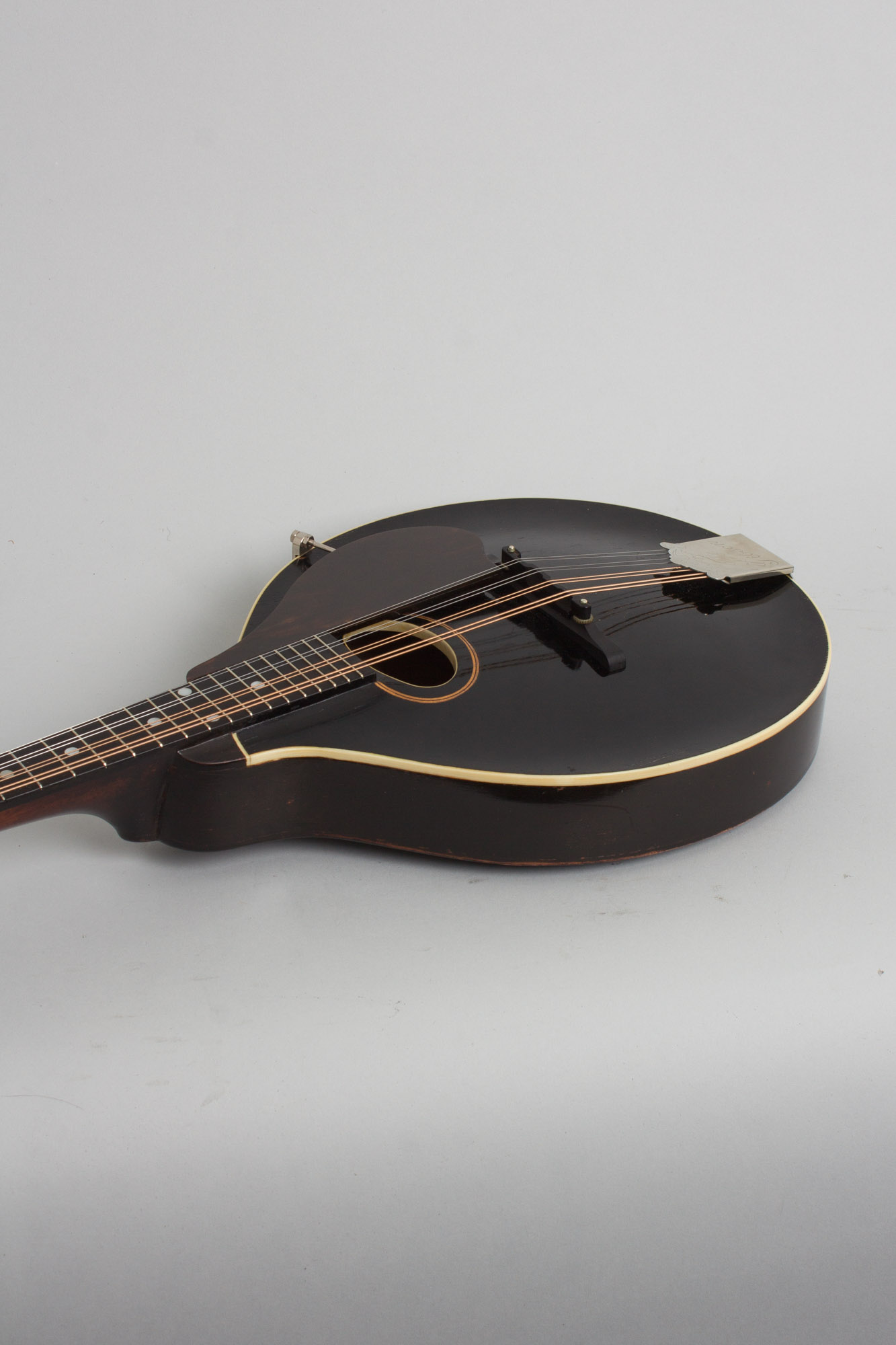
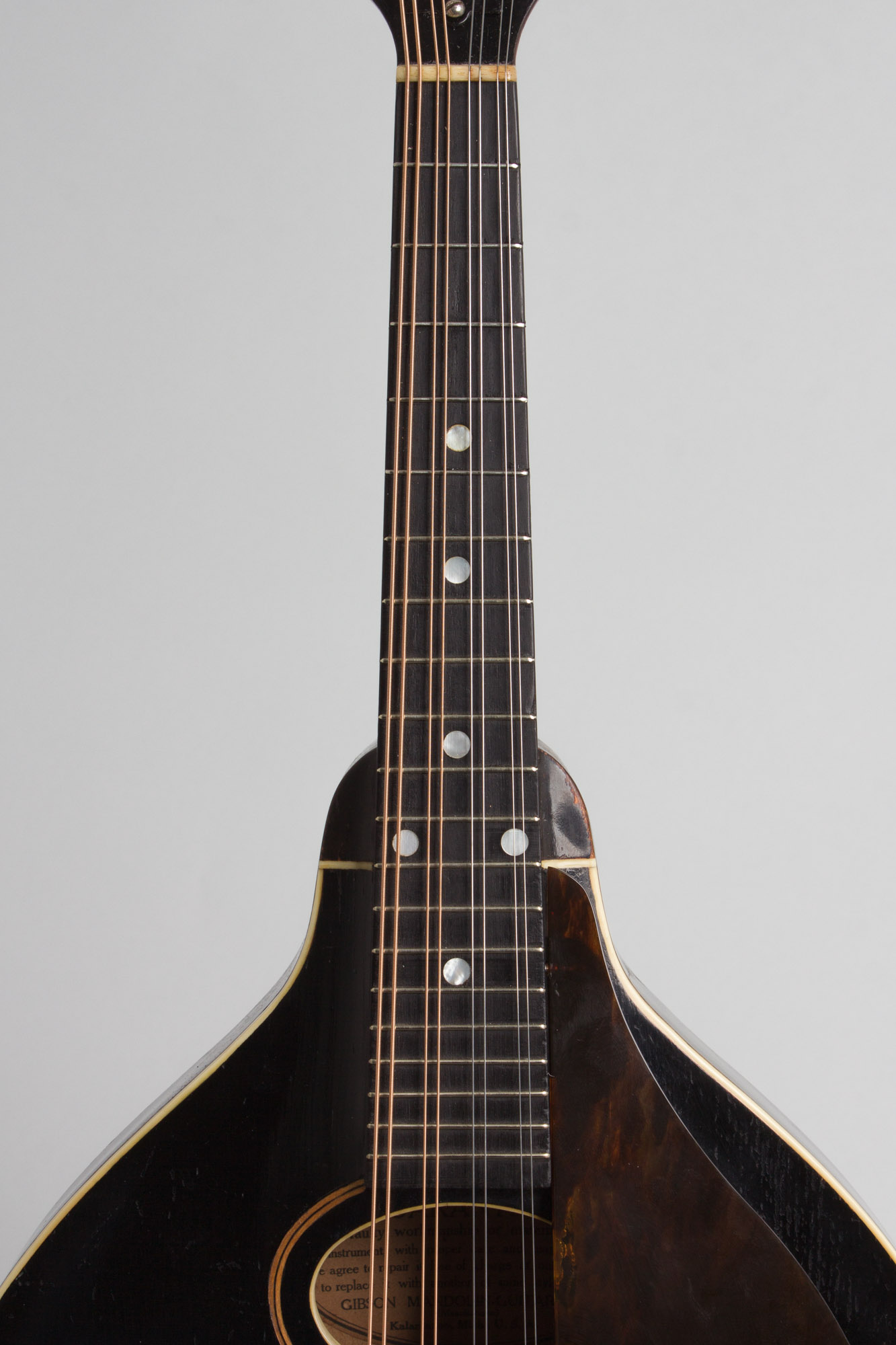
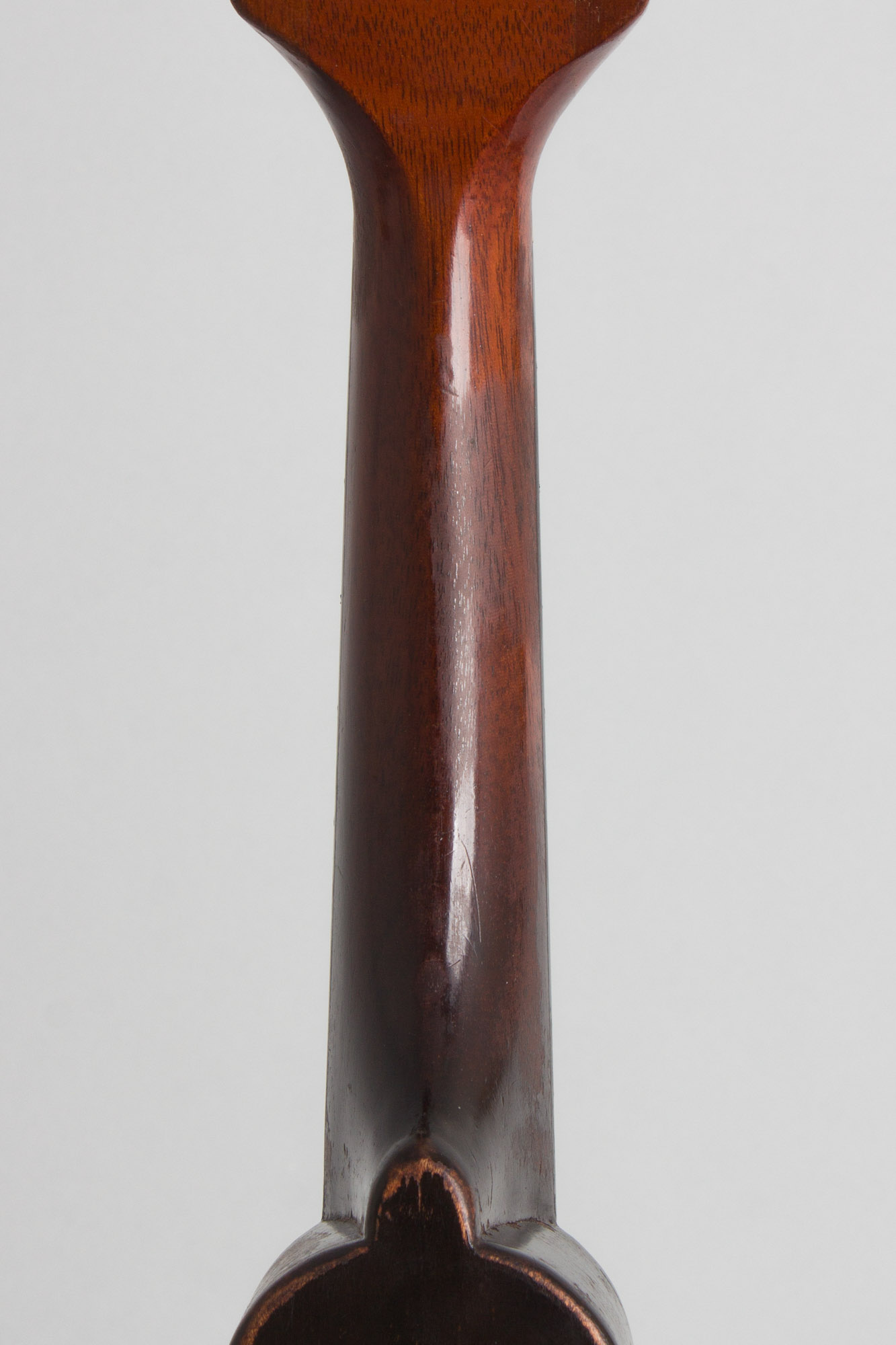
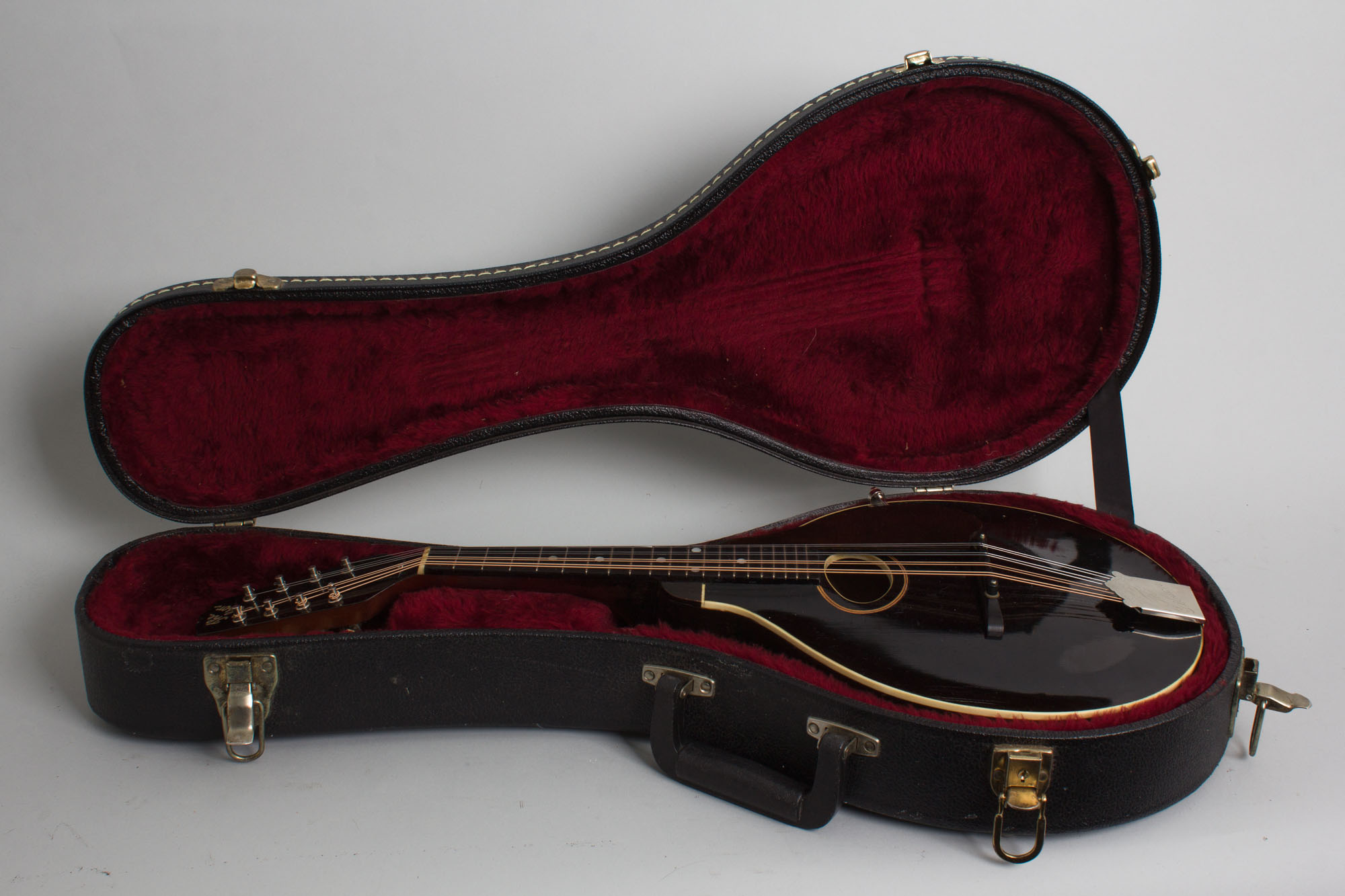
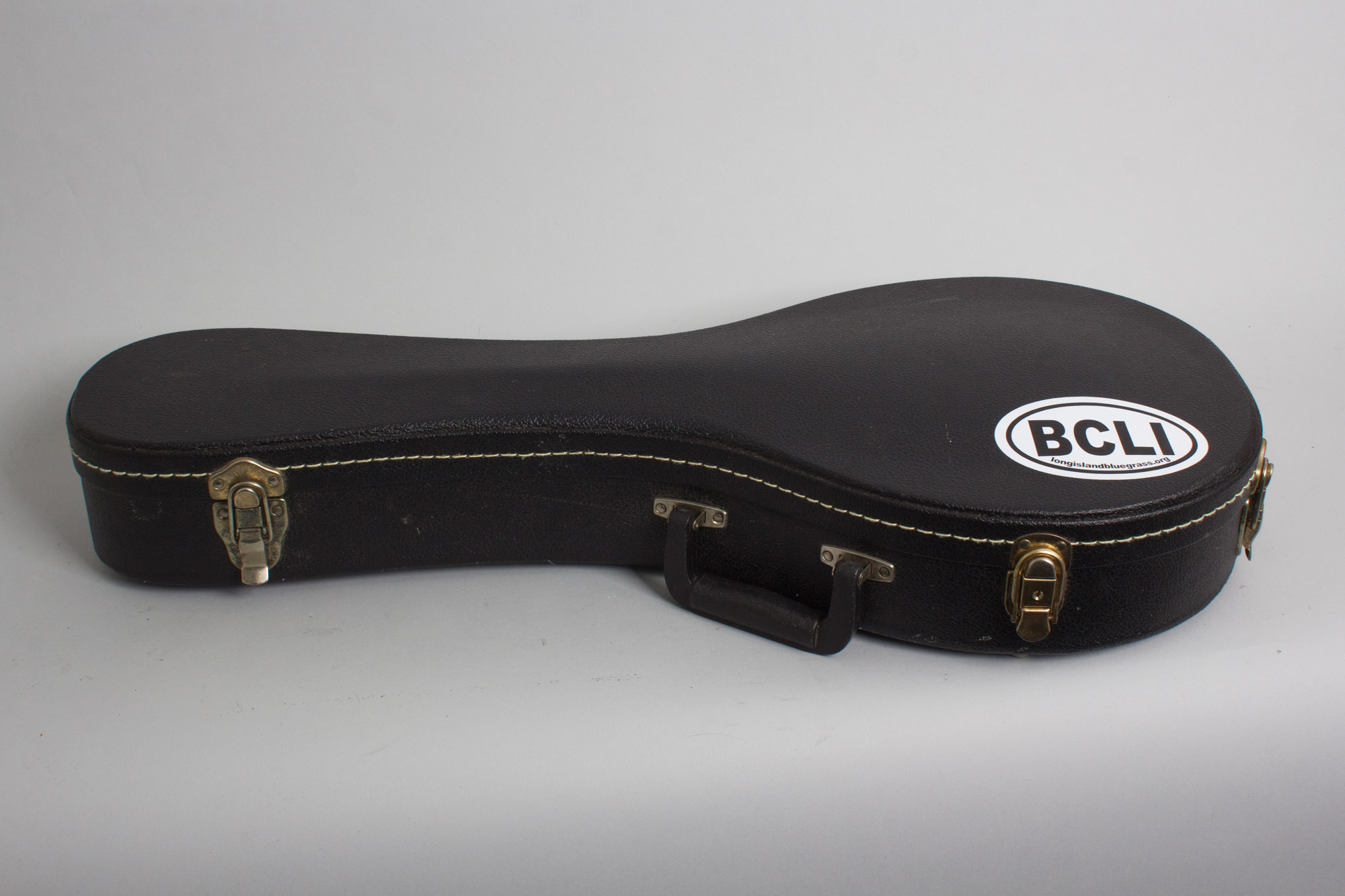
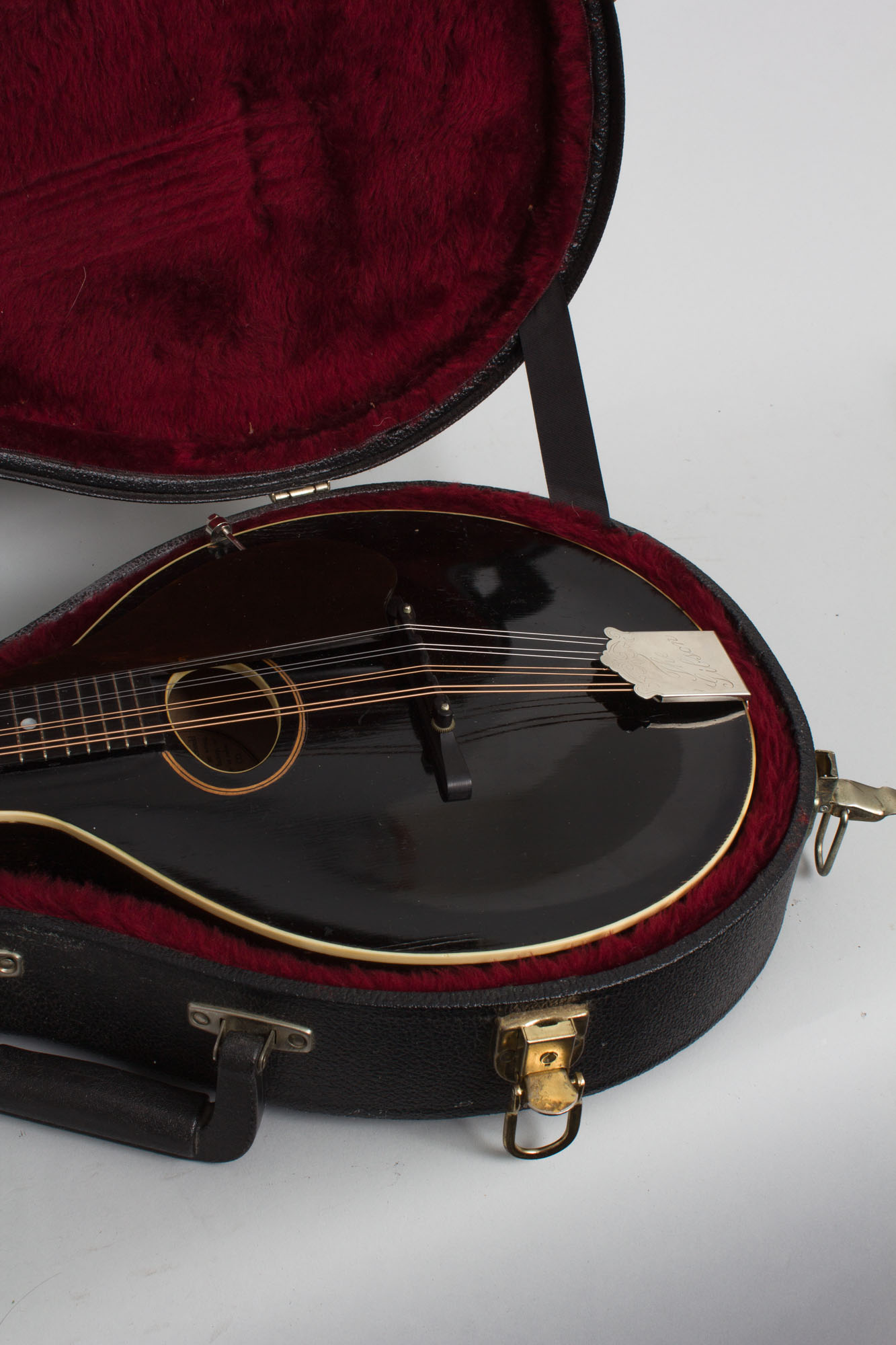
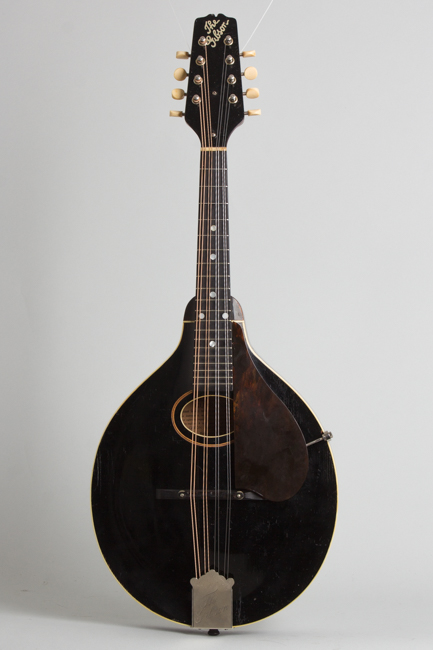
Gibson Style A Snakehead Model Carved Top Mandolin (1925), made in Kalamazoo, Michigan, serial # 77389, black top, dark stained back and sides finish, birch back and sides, spruce top, mahogany neck with ebony fingerboard, black tolex hard shell case.
This is a good playing and sounding Style A mandolin from early-mid 1925, just at the end of the "Loar era" at Gibson. It has some general wear but retains the excellent sound these "Snakeheads" are known for. Gibson's mandolin craftsmanship in this era produced what many consider the best-sounding roundhole A style mandolins ever made, just before the company's focus shifted to banjos and then guitars.
These "Snakehead" instruments are nicknamed for their Loar-designed peghead that angles inward towards the tip, a very logical design feature inexplicably abandoned by Gibson a couple of years after he left the company. They are revered for their unmatched tone and projection and have other advanced features of the era including the adjustable truss rod neck, raised adjustable bridge and very slim neck profile. The top on this A bears a striking black lacquer finish, bound in white celluloid with a thin double inlaid wood soundhole ring. The tailpiece has the engraved "The Gibson" cover plate and the tuners are strips with plain ends. The stenciled silver script "The Gibson" logo on the headstock is specific to this period.
Lloyd Loar's tenure as acoustic engineer at Gibson has become so mythical that sometimes separating fact from fiction is difficult. Certainly the mandolin family instruments made during the period of his employment are the most perfectly realized in Gibson's history, and have become the template for most similar instruments since. The Master Model Style 5 line with their violin-style F-holes was his greatest contribution but all Gibson mandolins were refined at the same time. Even this basic "A" model has noticeable sonic and playing improvements benefitting from "Master Loar's" input that are still evident today, exactly 100 years on.
Overall length is 25 3/4 in. (65.4 cm.), 10 in. (25.4 cm.) wide, and 1 7/8 in. (4.8 cm.) in depth, measured at side of rim. Scale length is 14 in. (356 mm.). Width of nut is 1 1/16 in. (27 mm.).
This is a good playing and sounding "snakehead" showing some wear overall but remaining largely original. The all-original finish shows a decent amount of accumulated wear, mostly small dings, nicks and scrapes with wear to the wood all along the unbound back edge of the body. The back of the neck is partially worn through to the wood mostly on the bass side, the treble side of the heel area is also worn through and the headstock has small chips and dings.
All the body seams are solid (some were likely reglued long ago) and there are no visible crack repairs to the top or back. The lower side below the heel has a repaired split just at the end of the heelblock, oddly not uncommon on these. It is solidly sealed but still visible with minimal touchup added. The tuners, tailpiece and cover, and bridge are original, the pickguard is a nicely done repro with a modern bracket. The frets appear original, recrowned and in some cases reseated but still quite playable. This mandolin plays very well with a bright and singing sound, a typically fine "Snakehead" tone. It resides in a more modern HSC. Overall Very Good + Condition.
This is a good playing and sounding Style A mandolin from early-mid 1925, just at the end of the "Loar era" at Gibson. It has some general wear but retains the excellent sound these "Snakeheads" are known for. Gibson's mandolin craftsmanship in this era produced what many consider the best-sounding roundhole A style mandolins ever made, just before the company's focus shifted to banjos and then guitars.
These "Snakehead" instruments are nicknamed for their Loar-designed peghead that angles inward towards the tip, a very logical design feature inexplicably abandoned by Gibson a couple of years after he left the company. They are revered for their unmatched tone and projection and have other advanced features of the era including the adjustable truss rod neck, raised adjustable bridge and very slim neck profile. The top on this A bears a striking black lacquer finish, bound in white celluloid with a thin double inlaid wood soundhole ring. The tailpiece has the engraved "The Gibson" cover plate and the tuners are strips with plain ends. The stenciled silver script "The Gibson" logo on the headstock is specific to this period.
Lloyd Loar's tenure as acoustic engineer at Gibson has become so mythical that sometimes separating fact from fiction is difficult. Certainly the mandolin family instruments made during the period of his employment are the most perfectly realized in Gibson's history, and have become the template for most similar instruments since. The Master Model Style 5 line with their violin-style F-holes was his greatest contribution but all Gibson mandolins were refined at the same time. Even this basic "A" model has noticeable sonic and playing improvements benefitting from "Master Loar's" input that are still evident today, exactly 100 years on.
Overall length is 25 3/4 in. (65.4 cm.), 10 in. (25.4 cm.) wide, and 1 7/8 in. (4.8 cm.) in depth, measured at side of rim. Scale length is 14 in. (356 mm.). Width of nut is 1 1/16 in. (27 mm.).
This is a good playing and sounding "snakehead" showing some wear overall but remaining largely original. The all-original finish shows a decent amount of accumulated wear, mostly small dings, nicks and scrapes with wear to the wood all along the unbound back edge of the body. The back of the neck is partially worn through to the wood mostly on the bass side, the treble side of the heel area is also worn through and the headstock has small chips and dings.
All the body seams are solid (some were likely reglued long ago) and there are no visible crack repairs to the top or back. The lower side below the heel has a repaired split just at the end of the heelblock, oddly not uncommon on these. It is solidly sealed but still visible with minimal touchup added. The tuners, tailpiece and cover, and bridge are original, the pickguard is a nicely done repro with a modern bracket. The frets appear original, recrowned and in some cases reseated but still quite playable. This mandolin plays very well with a bright and singing sound, a typically fine "Snakehead" tone. It resides in a more modern HSC. Overall Very Good + Condition.