Gibson CF-100E Flat Top Acoustic-Electric Guitar (1956)

LOADING IMAGES
This item has been sold.
Item # 13683
Prices subject to change without notice.
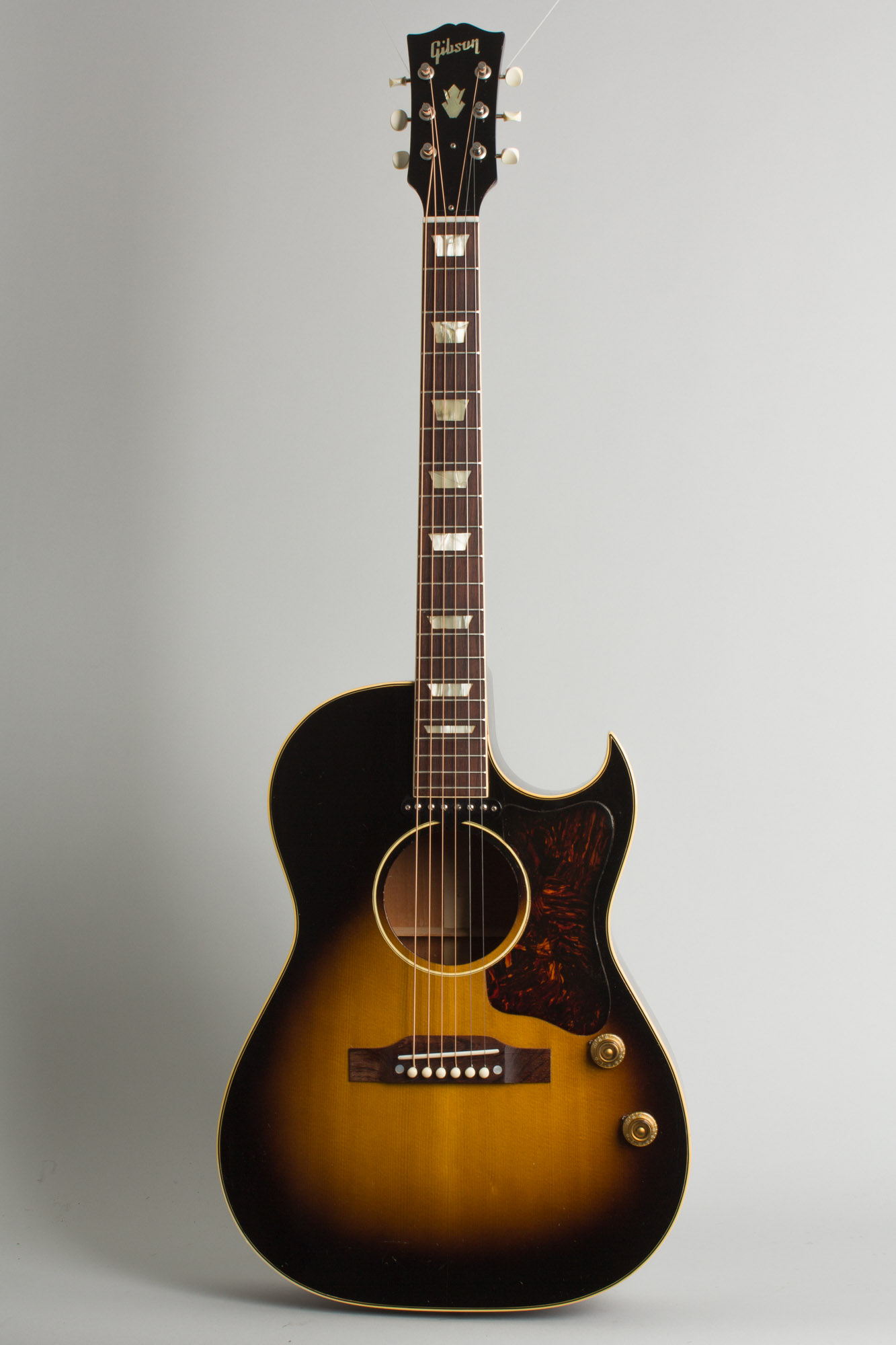
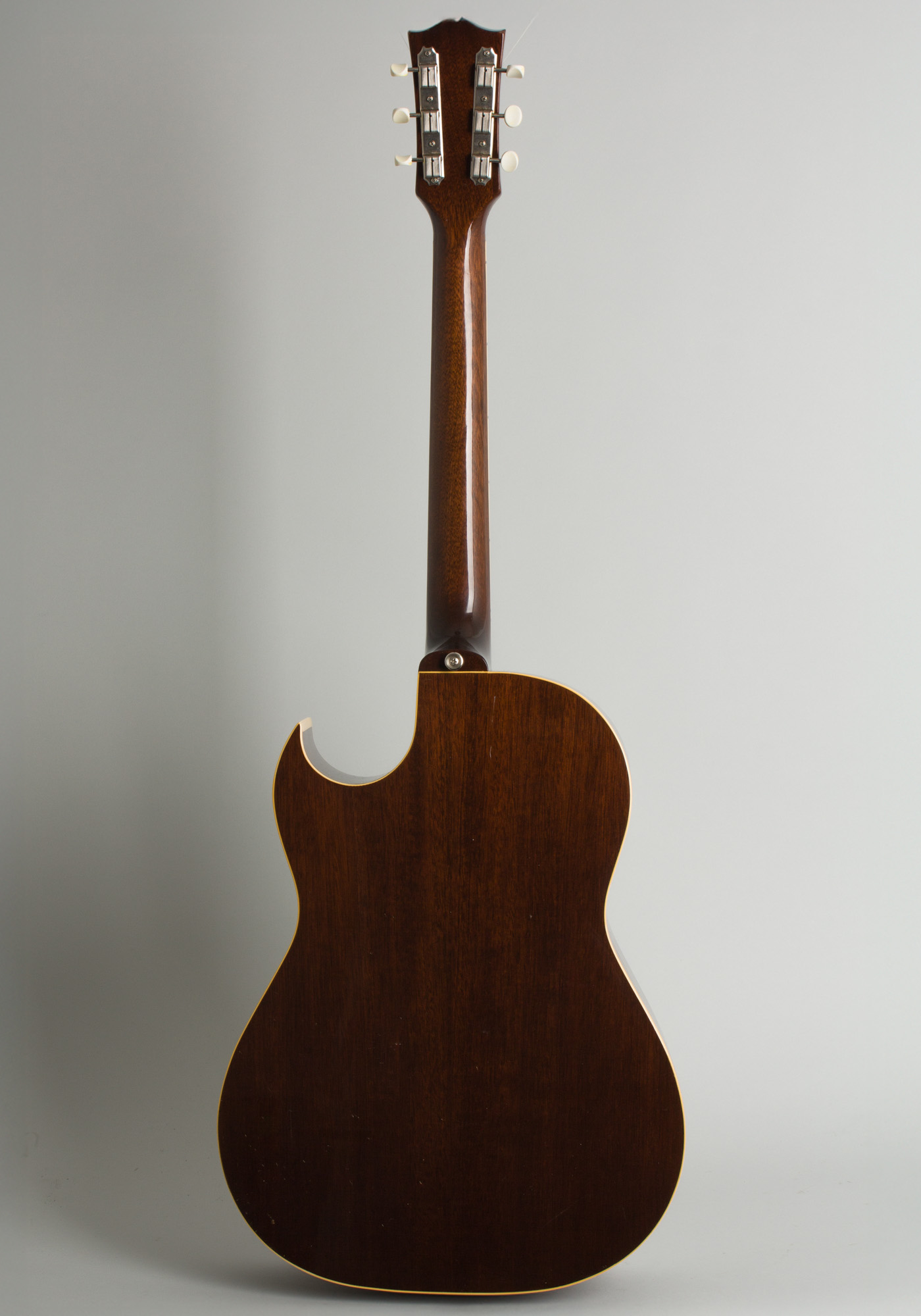
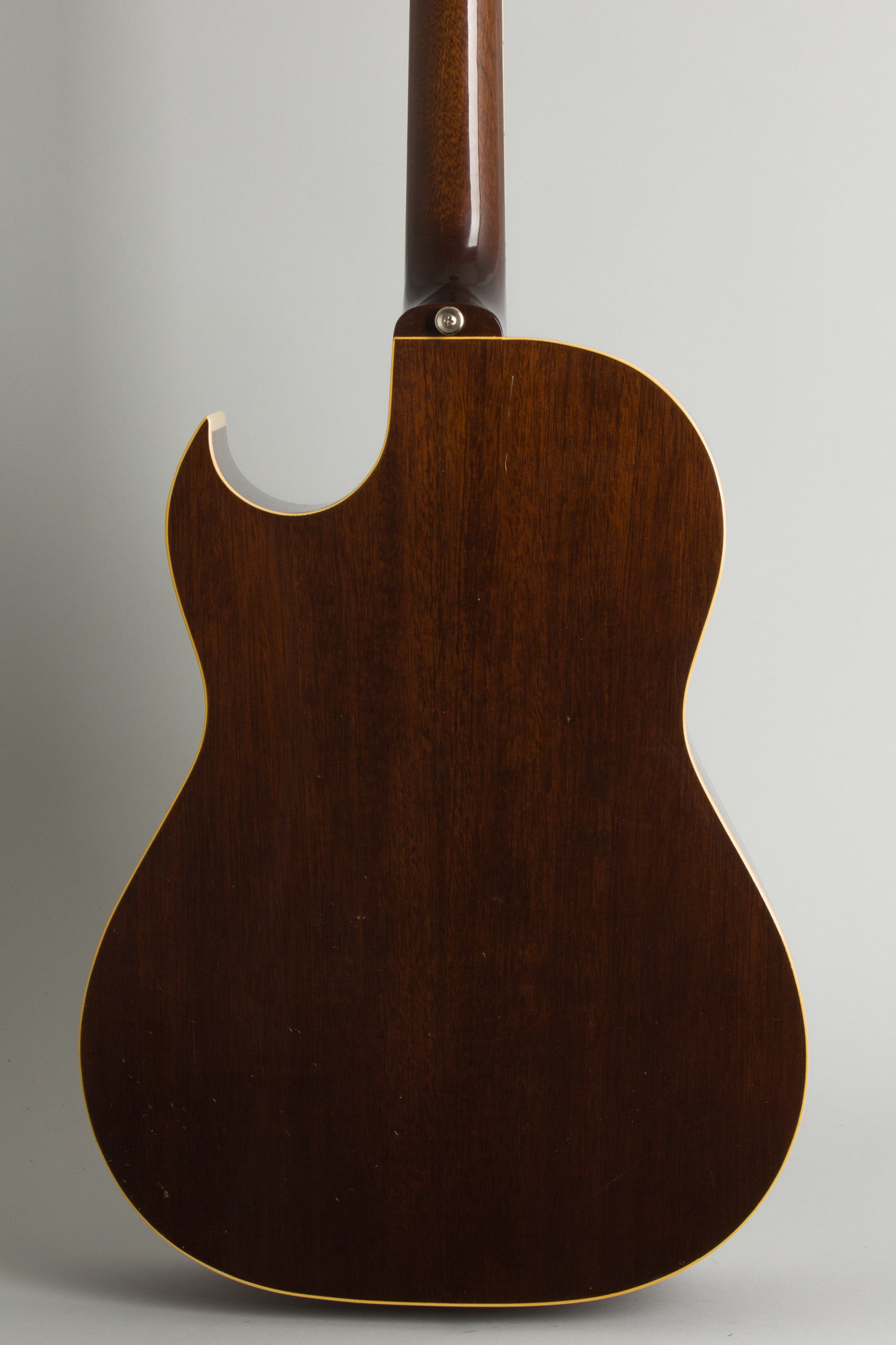
Gibson CF-100E Model Flat Top Acoustic-Electric Guitar (1956), made in Kalamazoo, Michigan, serial # V3713-18, sunburst top, dark back and sides finish, mahogany body and neck, spruce top; rosewood fingerboard, black hard shell case.
This is a really stunningly well preserved example of a unique and fairly uncommon Gibson flat-top from the 1950s: the CF-100E. This was a most unusual guitar for 1956, when the concept of a cutaway flat-top with a factory pickup was quite a novel idea. While common today, these features were radical when the model was introduced in 1951 making this a guitar very much ahead of its time.
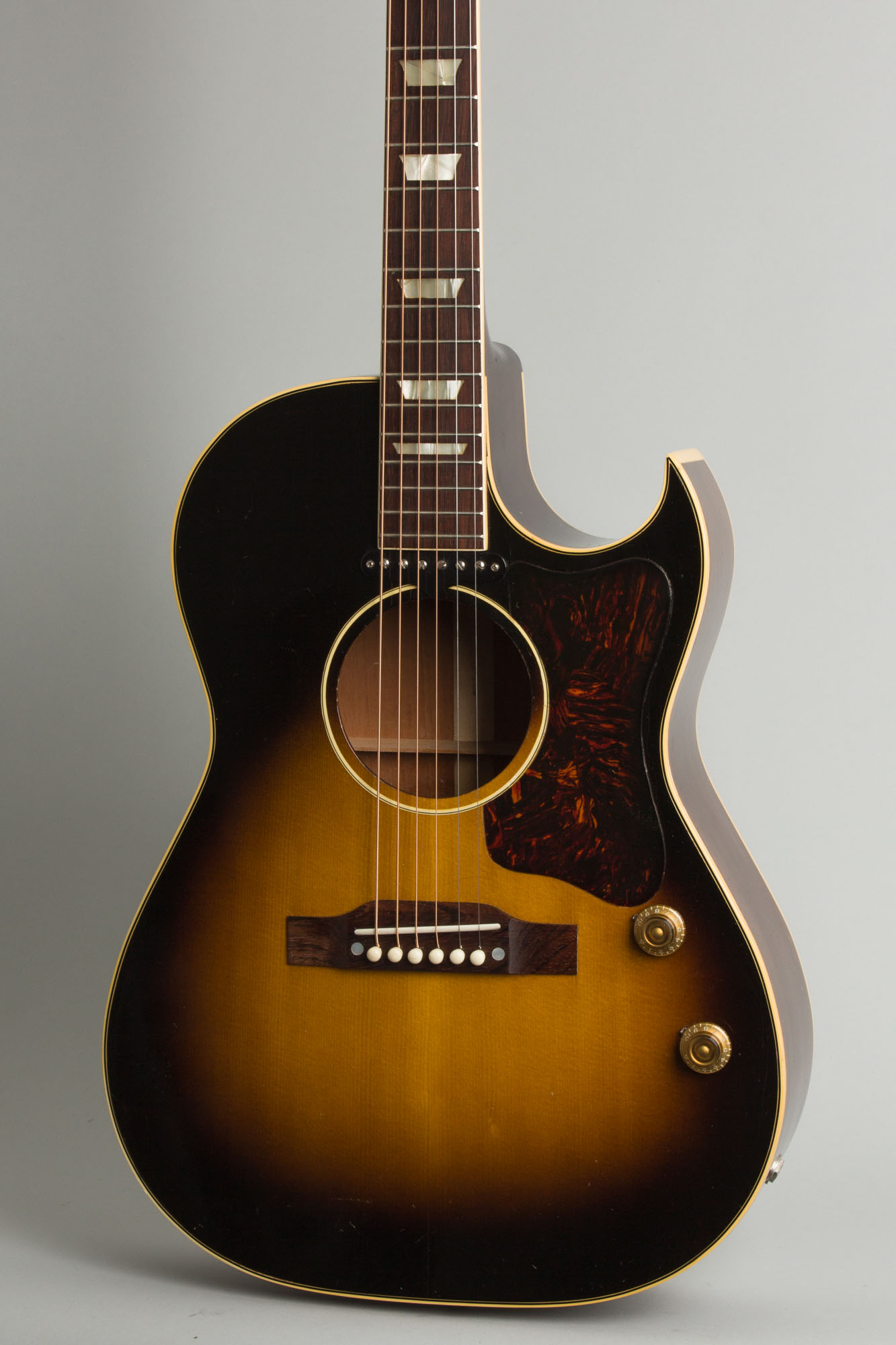
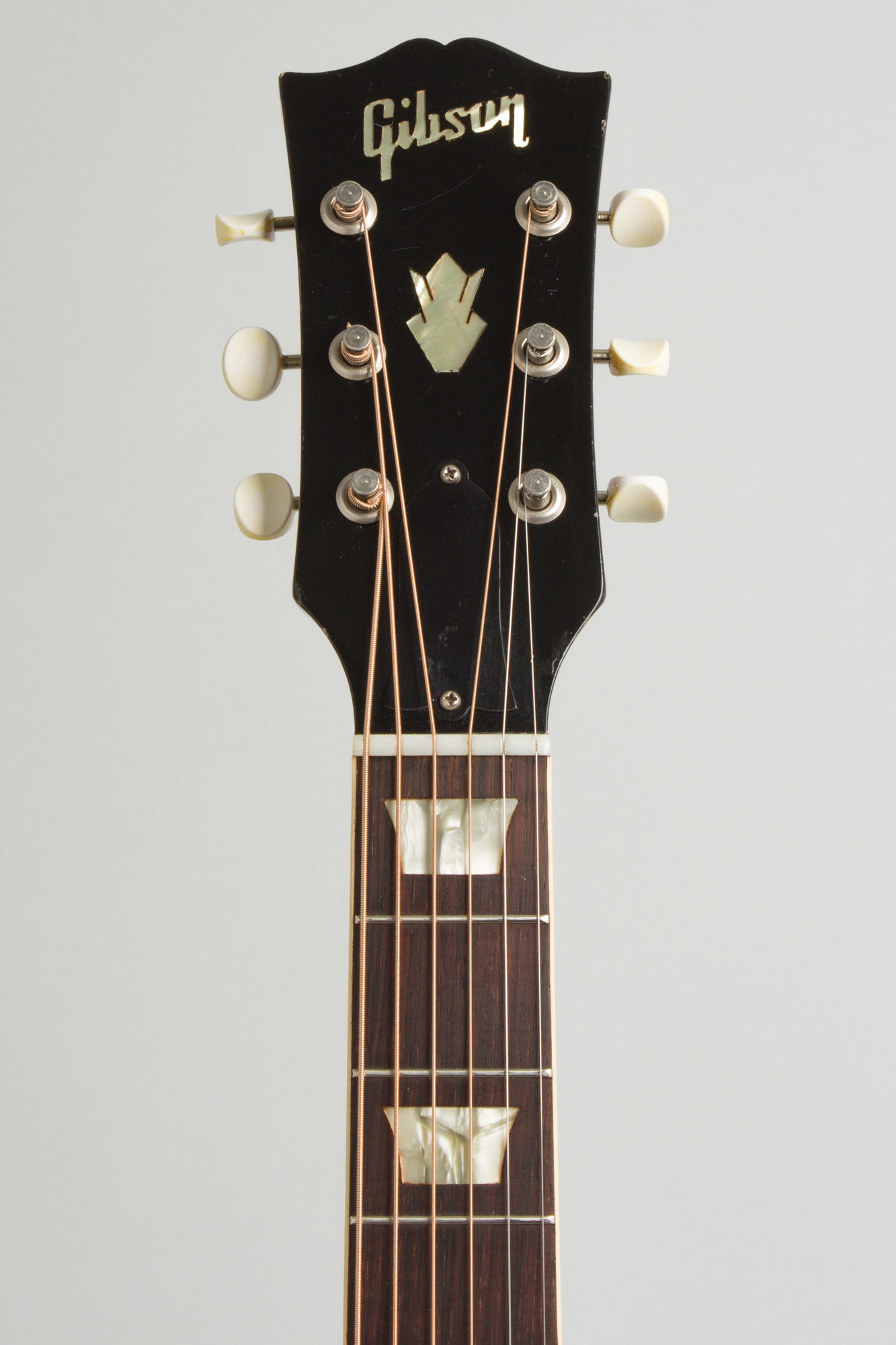
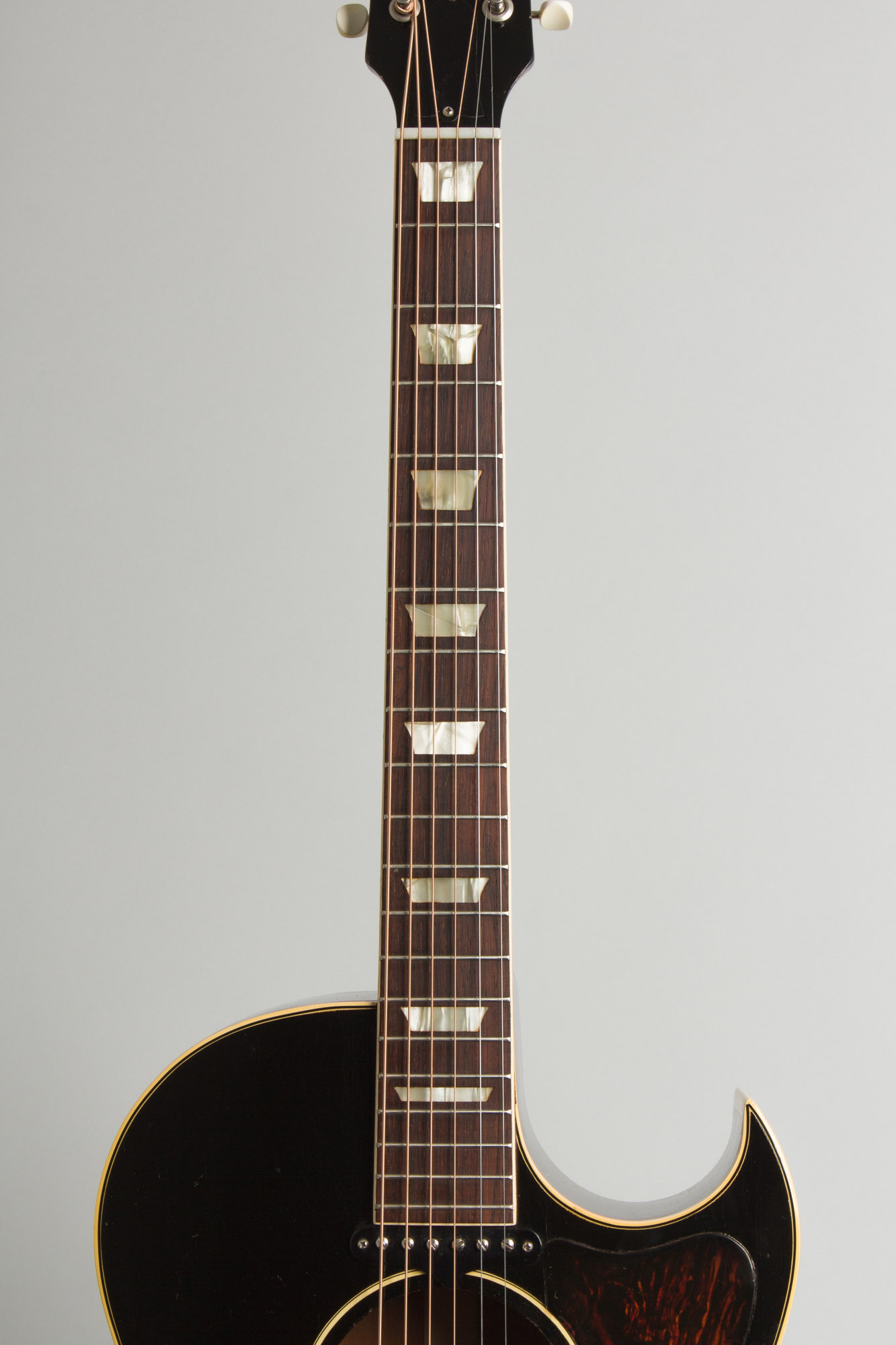
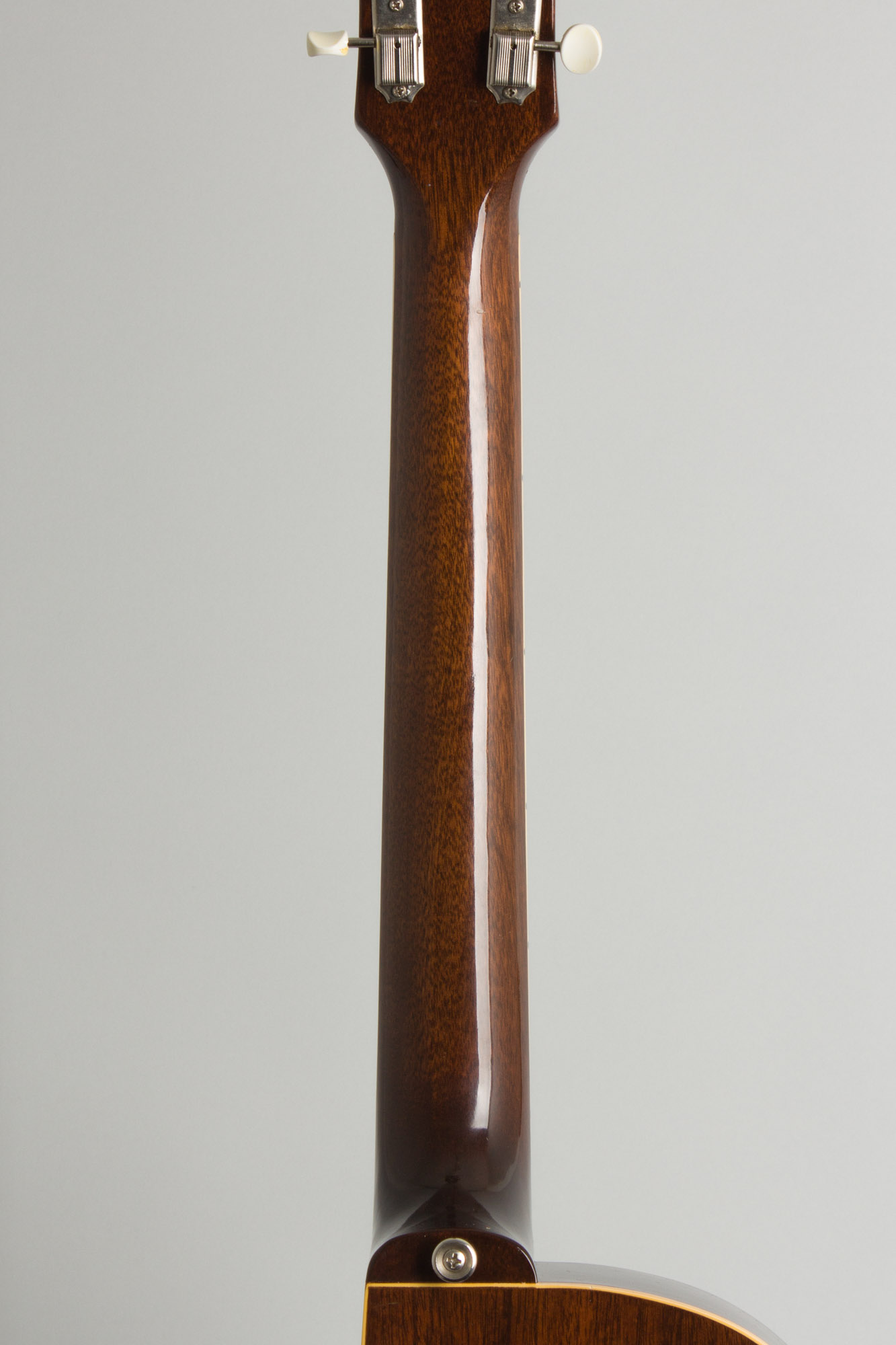
While the instrument is generally similar to the non-cutaway LG-2, it is considerably fancier in appearance and has a rather more upscale feel. The top is triple-bound and the back and fingerboard are single-bound. The headstock carries a pearl Gibson logo and crown inlay and the rosewood fingerboard is inlaid with pearloid trapezoids. The neck is a medium "C" profile with slightly more dress-away on the sides than some '50s Gibsons and very comfortable.
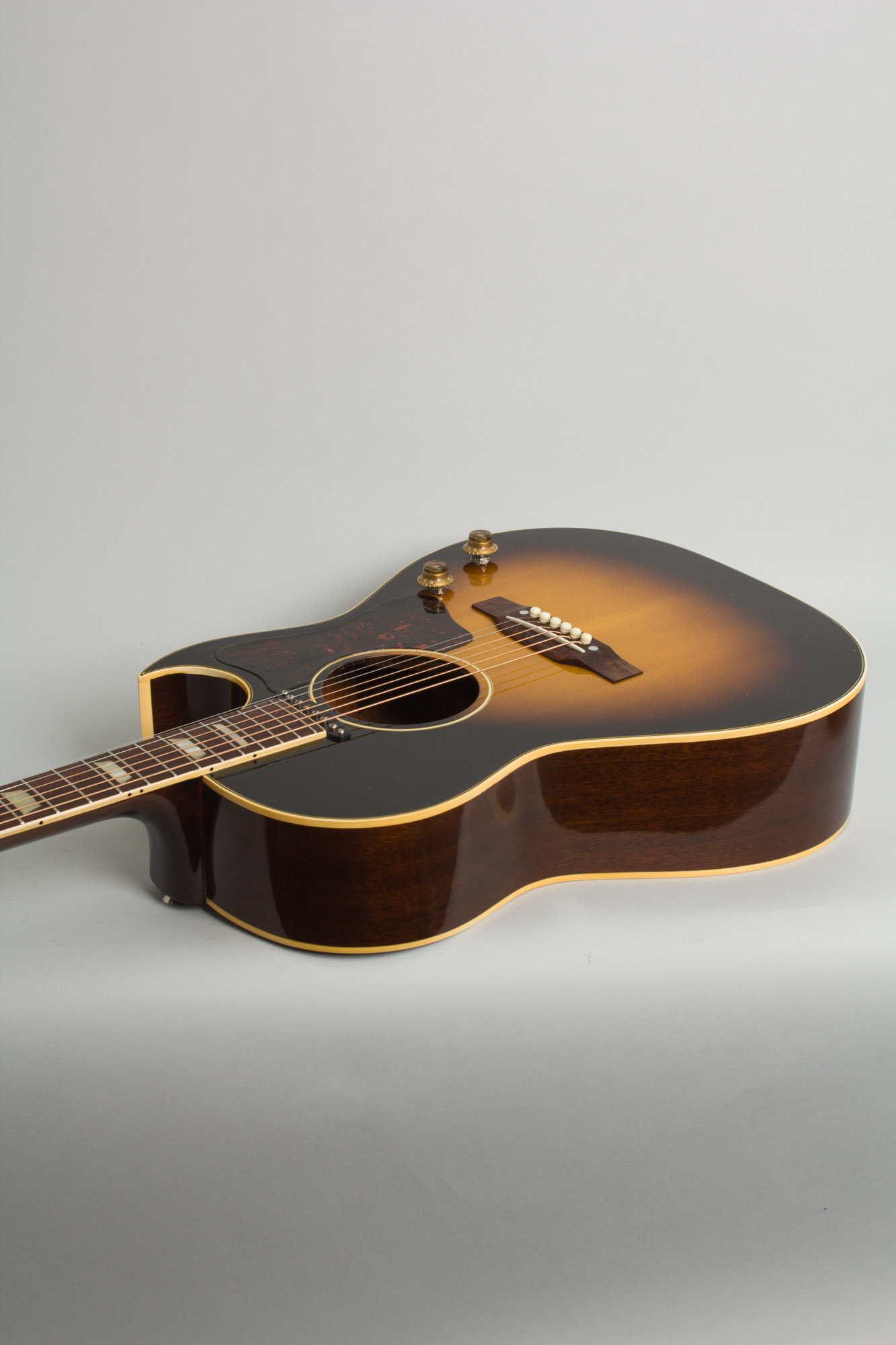
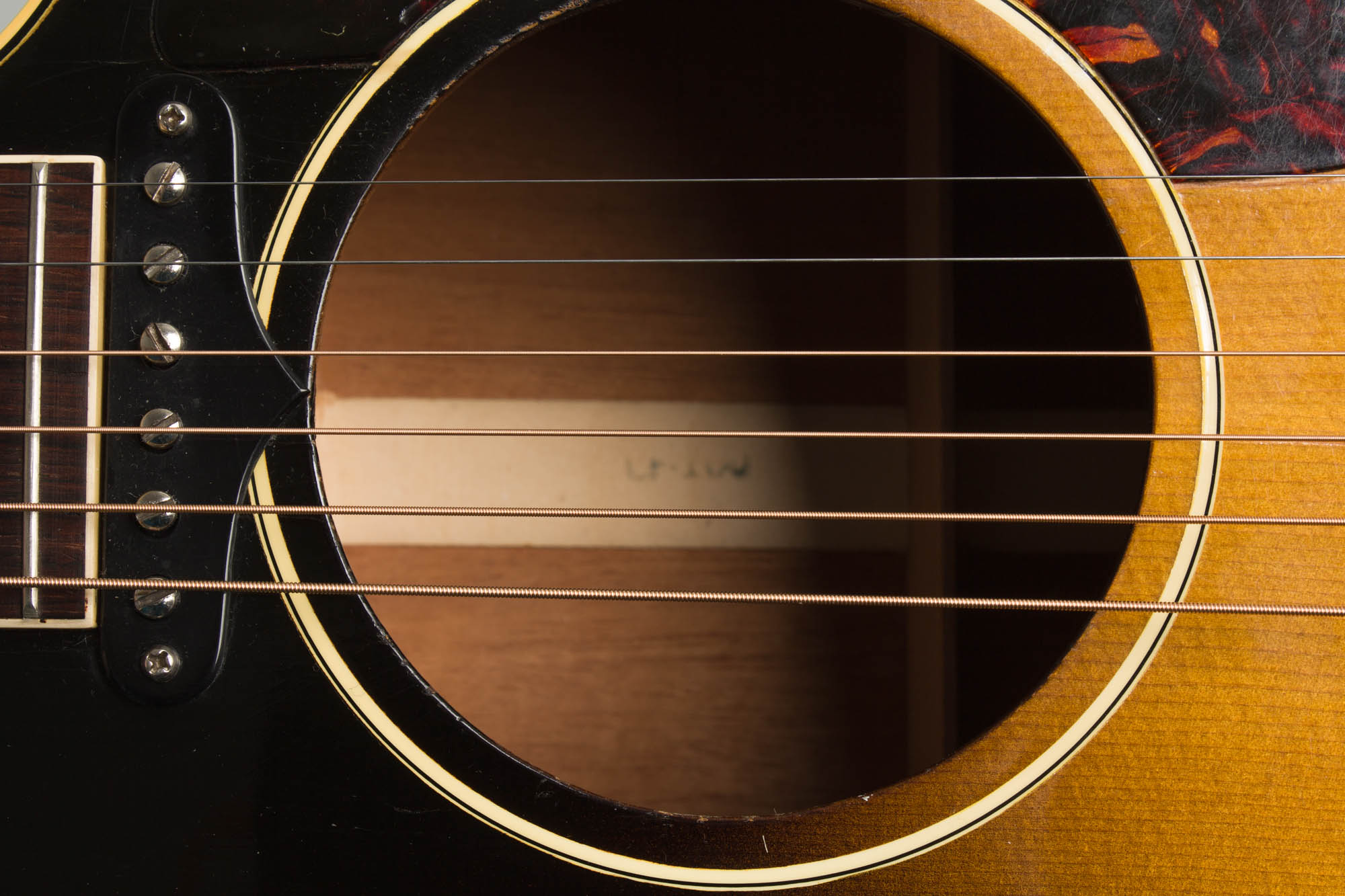
Gibson offered this model as a straight acoustic guitar as the CF-100 or with an ingenious added magnetic pickup as the CF-100E, and both were sold in limited numbers throughout the 1950s and so are fairly rare today. Only 132 of the electric model shipped out in 1956, out of a total of 1257 for the entire run. The pickup is Gibson's standard P-90 single coil, mounted under the top with a decorative bezel around the polepieces. The controls are a standard tone and volume mounted along the lower bout on the top. The top itself is solid spruce and X-braced, so the electronics rig does not inhibit the acoustic response to any great degree. The only construction concession to amplification is a small extra forward section added ahead of the small maple bridgeplate to stiffen the top just a bit.
The larger non-cutaway J-160E was launched in 1955 using the same electronics package on a Jumbo body and is much better remembered, mostly due to extensive use by The Beatles in the 1960s. These quickly adopted a ladder-braced multi-ply top, severely limiting the acoustic response compared to this smaller model. Although in some ways a more useful design the CF-100E is comparatively obscure. Today this very attractive, forward-looking guitar makes perfect sense and we can only wonder why the players of the 1950s failed to warm to this excellent instrument. This particular example is amazingly clean overall and about the nicest we have had.
Overall length is 39 1/2 in. (100.3 cm.), 14 1/4 in. (36.2 cm.) wide at lower bout, and 4 1/2 in. (11.4 cm.) in depth at side, taken at the end block. Scale length is 24 3/4 in. (629 mm.). Width of nut is 1 11/16 in. (43 mm.).
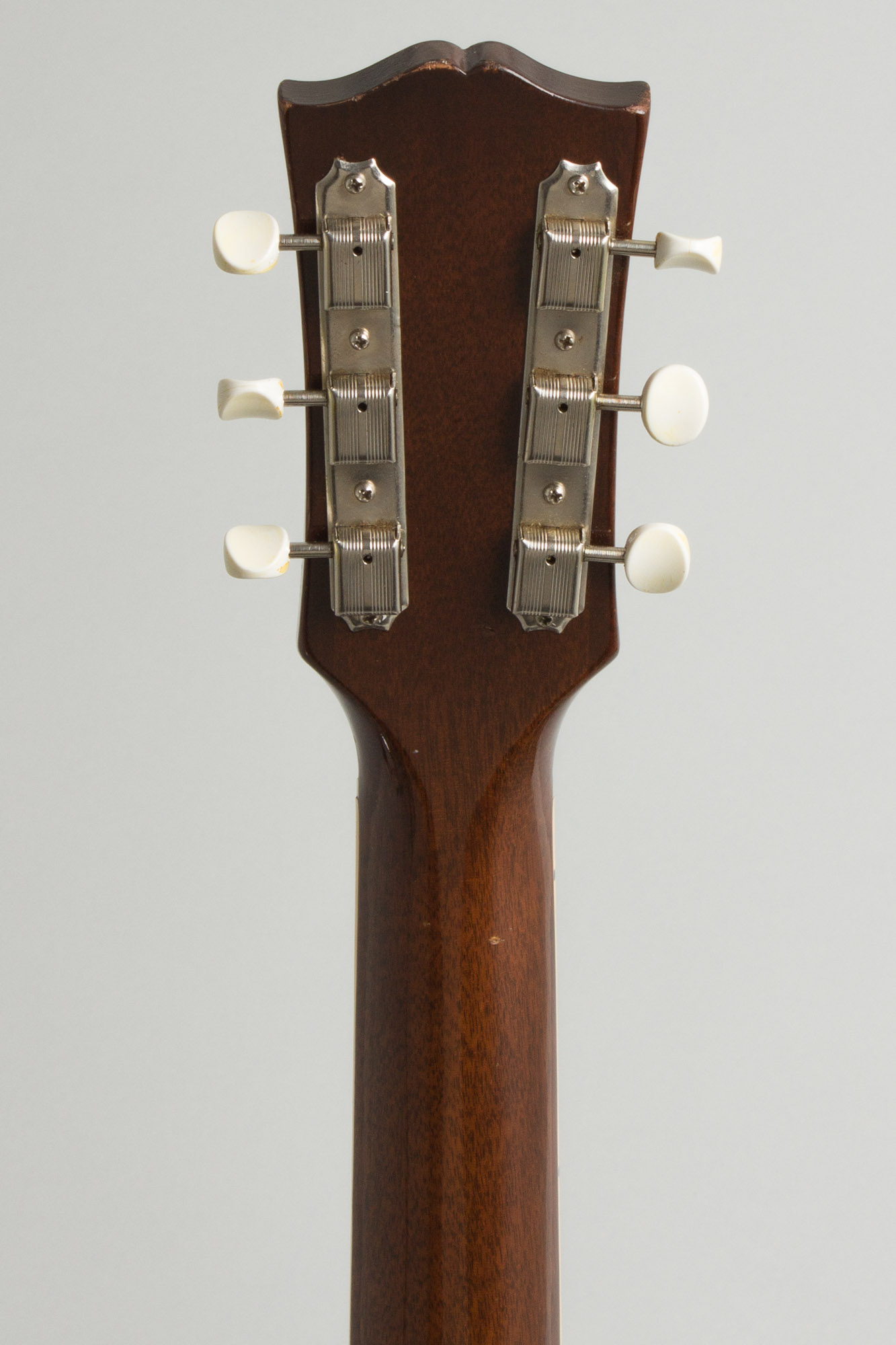
This is a really lovely very clean original guitar that shows only very light wear and some minor repair. The original lacquer finish has very little checking overall; it still shines like Ike was in office and shows only very light dings, dents and scrapes, most notably on the back. The back of the neck has just a couple of tiny dinks. The only visibly visible crack repair is a re-seal to the top center seam and the only alteration is more recent repro buttons on the original Kluson deluxe tuners replacing the crumbled originals and a new bone saddle. All else on the instrument remains original except for a strap button added on the heel.
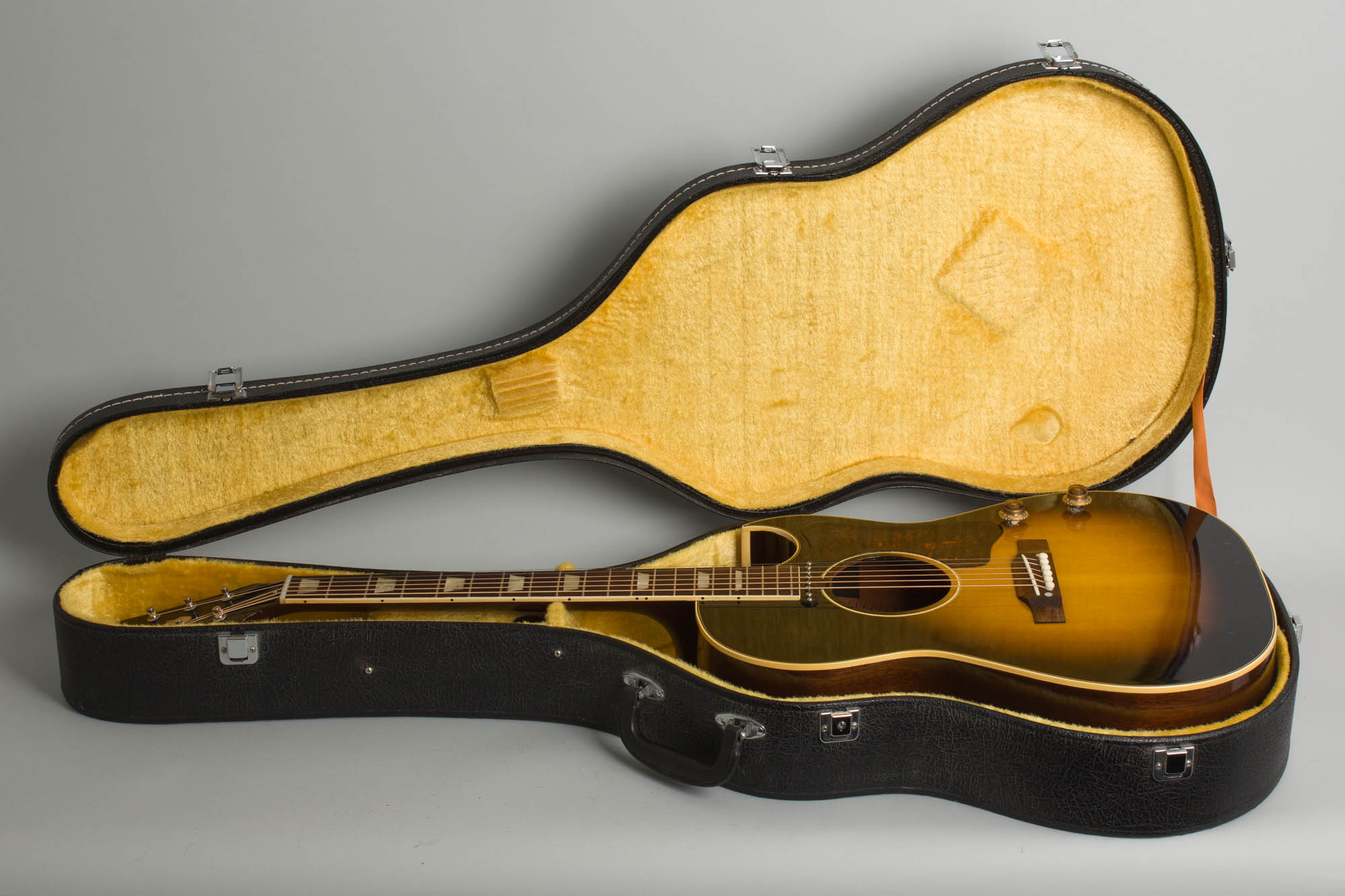
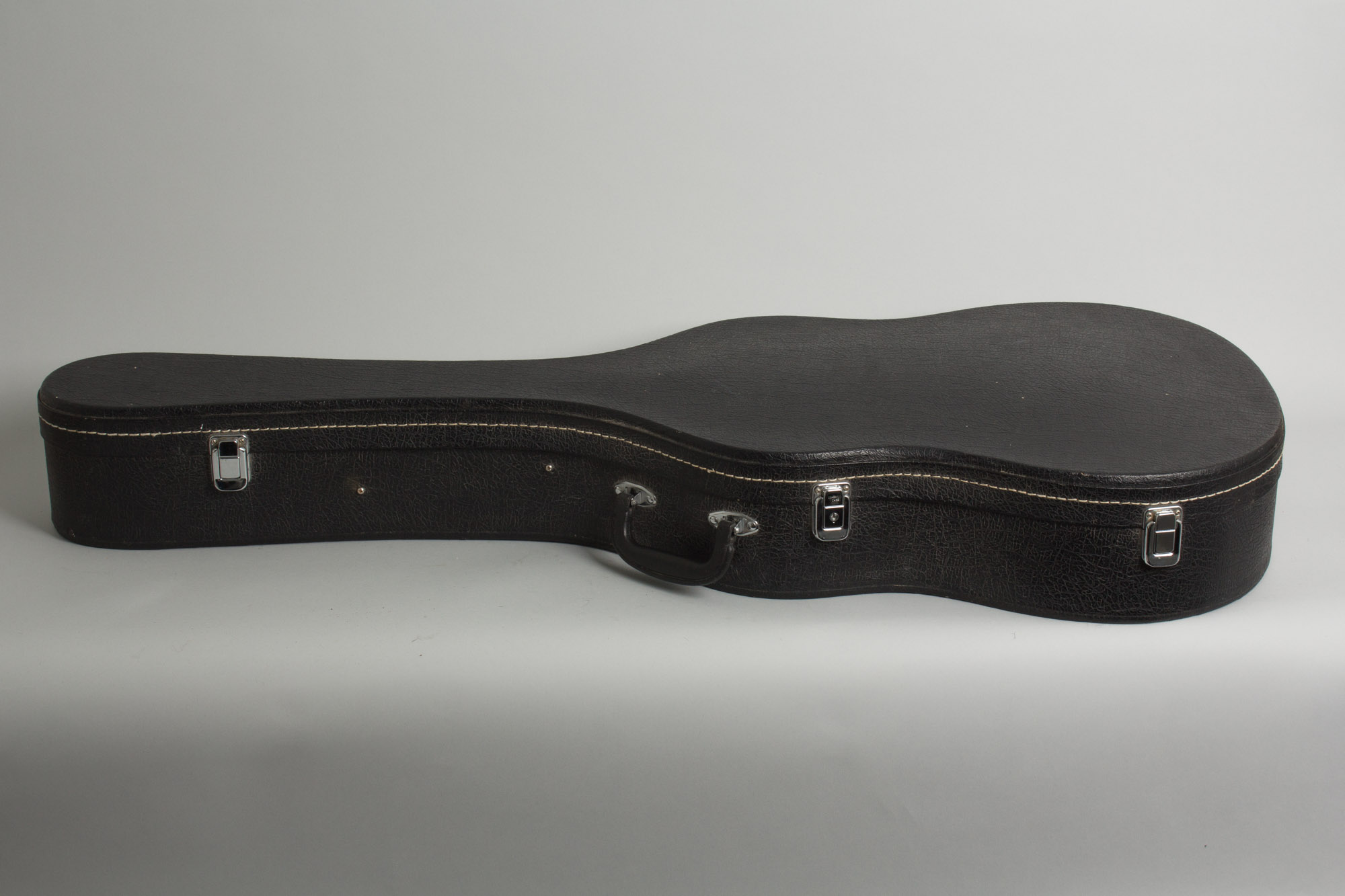
This is a fully X-braced guitar with a solid spruce top and the addition of the pickup and electronics do not have a noticeably adverse affect on the acoustic response. Some of the braces have been reglued, as is typical of older Gibson flat tops and all are solid now. The rosewood bridge and maple bridge plate are original, the bridge looks to have been lowered just a bit long ago; the retaining bolts are still intact. The original frets and the rosewood fingerboard show hardly any wear, the nut is original as well. This guitar is a really excellent player that has never had or needed a neck reset. It offers the typical CF-100 acoustic sound, sweet and nicely rounded, somewhat dry with pronounced mids and of course the option to plug in. It includes a 1970s era Japanese hardshell case, the original was likely chipboard and replaced long ago. Overall Excellent - Condition.
This is a really stunningly well preserved example of a unique and fairly uncommon Gibson flat-top from the 1950s: the CF-100E. This was a most unusual guitar for 1956, when the concept of a cutaway flat-top with a factory pickup was quite a novel idea. While common today, these features were radical when the model was introduced in 1951 making this a guitar very much ahead of its time.
While the instrument is generally similar to the non-cutaway LG-2, it is considerably fancier in appearance and has a rather more upscale feel. The top is triple-bound and the back and fingerboard are single-bound. The headstock carries a pearl Gibson logo and crown inlay and the rosewood fingerboard is inlaid with pearloid trapezoids. The neck is a medium "C" profile with slightly more dress-away on the sides than some '50s Gibsons and very comfortable.
Gibson offered this model as a straight acoustic guitar as the CF-100 or with an ingenious added magnetic pickup as the CF-100E, and both were sold in limited numbers throughout the 1950s and so are fairly rare today. Only 132 of the electric model shipped out in 1956, out of a total of 1257 for the entire run. The pickup is Gibson's standard P-90 single coil, mounted under the top with a decorative bezel around the polepieces. The controls are a standard tone and volume mounted along the lower bout on the top. The top itself is solid spruce and X-braced, so the electronics rig does not inhibit the acoustic response to any great degree. The only construction concession to amplification is a small extra forward section added ahead of the small maple bridgeplate to stiffen the top just a bit.
The larger non-cutaway J-160E was launched in 1955 using the same electronics package on a Jumbo body and is much better remembered, mostly due to extensive use by The Beatles in the 1960s. These quickly adopted a ladder-braced multi-ply top, severely limiting the acoustic response compared to this smaller model. Although in some ways a more useful design the CF-100E is comparatively obscure. Today this very attractive, forward-looking guitar makes perfect sense and we can only wonder why the players of the 1950s failed to warm to this excellent instrument. This particular example is amazingly clean overall and about the nicest we have had.
Overall length is 39 1/2 in. (100.3 cm.), 14 1/4 in. (36.2 cm.) wide at lower bout, and 4 1/2 in. (11.4 cm.) in depth at side, taken at the end block. Scale length is 24 3/4 in. (629 mm.). Width of nut is 1 11/16 in. (43 mm.).
This is a really lovely very clean original guitar that shows only very light wear and some minor repair. The original lacquer finish has very little checking overall; it still shines like Ike was in office and shows only very light dings, dents and scrapes, most notably on the back. The back of the neck has just a couple of tiny dinks. The only visibly visible crack repair is a re-seal to the top center seam and the only alteration is more recent repro buttons on the original Kluson deluxe tuners replacing the crumbled originals and a new bone saddle. All else on the instrument remains original except for a strap button added on the heel.
This is a fully X-braced guitar with a solid spruce top and the addition of the pickup and electronics do not have a noticeably adverse affect on the acoustic response. Some of the braces have been reglued, as is typical of older Gibson flat tops and all are solid now. The rosewood bridge and maple bridge plate are original, the bridge looks to have been lowered just a bit long ago; the retaining bolts are still intact. The original frets and the rosewood fingerboard show hardly any wear, the nut is original as well. This guitar is a really excellent player that has never had or needed a neck reset. It offers the typical CF-100 acoustic sound, sweet and nicely rounded, somewhat dry with pronounced mids and of course the option to plug in. It includes a 1970s era Japanese hardshell case, the original was likely chipboard and replaced long ago. Overall Excellent - Condition.